How Long Does Mold Remediation Take?
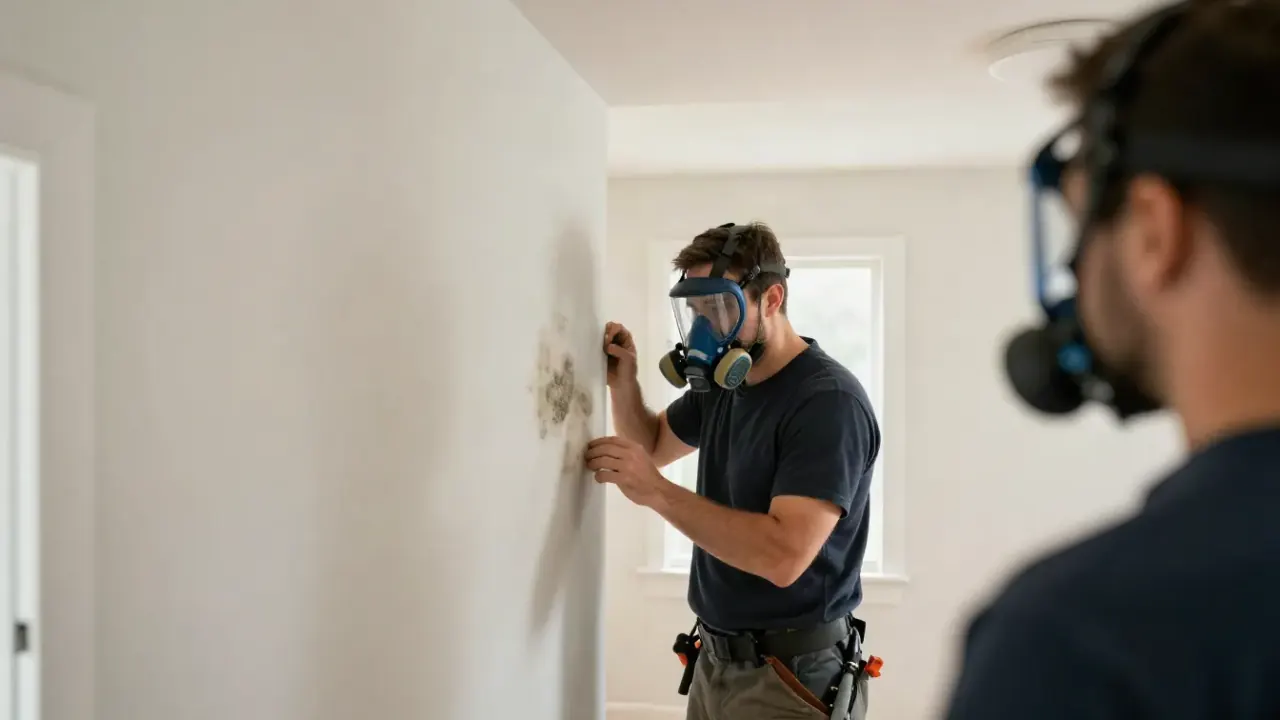
If you discover mold in your home, one of your first questions may be how long it will take to address the problem. The timeline depends on the size of the affected area, the materials involved, the source of moisture, and whether repairs or additional drying are needed.
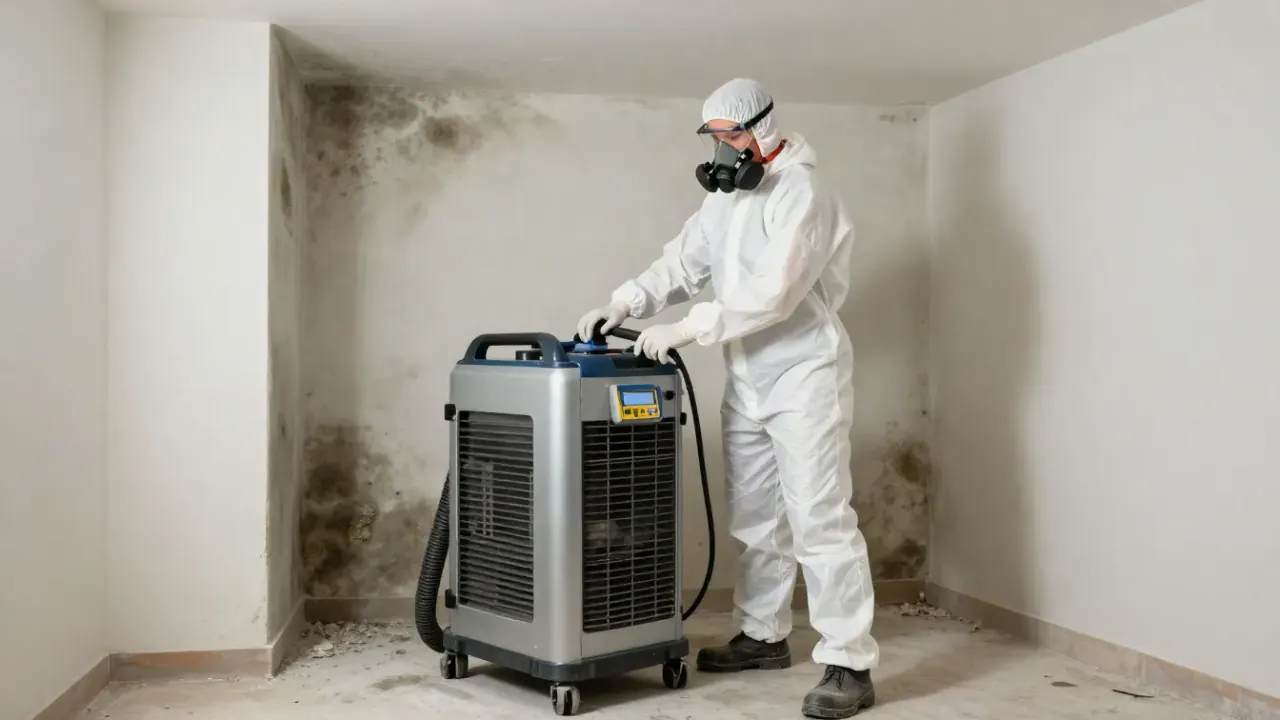
A limited area of surface growth may require less work than a problem involving damp insulation, damaged drywall, or hidden moisture inside a wall. The time needed to complete the work can also differ from the time required to dry materials and finish repairs.
For homeowners in Evansville, Indiana, understanding these factors can help set realistic expectations before arranging mold remediation.
Evansville Mold Pros helps property owners seek connections with independent mold remediation contractors. We do not perform remediation or determine project schedules.
How Long Does Mold Remediation Usually Take?
There is no reliable timeline that applies to every property. Some smaller projects may be completed relatively quickly, while larger jobs involving extensive water damage, multiple rooms, or building repairs may take considerably longer.
The contractor will need to consider the affected materials, access to the area, moisture conditions, and work required before providing a project estimate.
It is also important to distinguish between three stages:
- Mold remediation: Addressing affected materials through appropriate cleaning, removal, and related work.
- Drying and moisture control: Making sure wet materials are properly dried and the underlying moisture issue is addressed.
- Repairs and restoration: Replacing removed materials and completing any necessary building repairs.
These stages may overlap, but they are not always completed on the same schedule. Ask the contractor what their estimated timeline includes.
6 Factors That Affect the Timeline
1. Size of the Affected Area
The amount of affected material can influence how much labor, containment, cleaning, and removal are required.
A small area in an accessible location may involve less work than mold affecting several rooms or multiple parts of a building. However, the visible growth may not show the full extent of the problem.
If additional affected materials are discovered after work begins, the scope and timeline may need to change.
2. Type of Building Materials
Different materials require different approaches.
Some hard surfaces may be suitable for cleaning, depending on their condition. Damaged porous materials, including certain types of drywall, insulation, and ceiling tiles, may need removal.
Removing materials can also reveal hidden moisture or damage that requires further attention. Ask which materials the contractor expects to clean or remove and whether replacement work is included in the schedule.
3. Source of Moisture
Mold remediation cannot reliably prevent recurrence if the moisture problem remains unresolved.
The source might be a plumbing leak, roof leak, water intrusion, condensation, or another moisture issue. Repairing the source may require a separate professional or additional work beyond the remediation itself.
For example, addressing mold around a leaking pipe may involve both remediation and plumbing repairs. A roof related problem may also require roofing work before affected materials can be restored.
Learn more about basement mold remediation, crawl space mold remediation, and attic mold remediation and removal.
4. Moisture Inside Building Materials
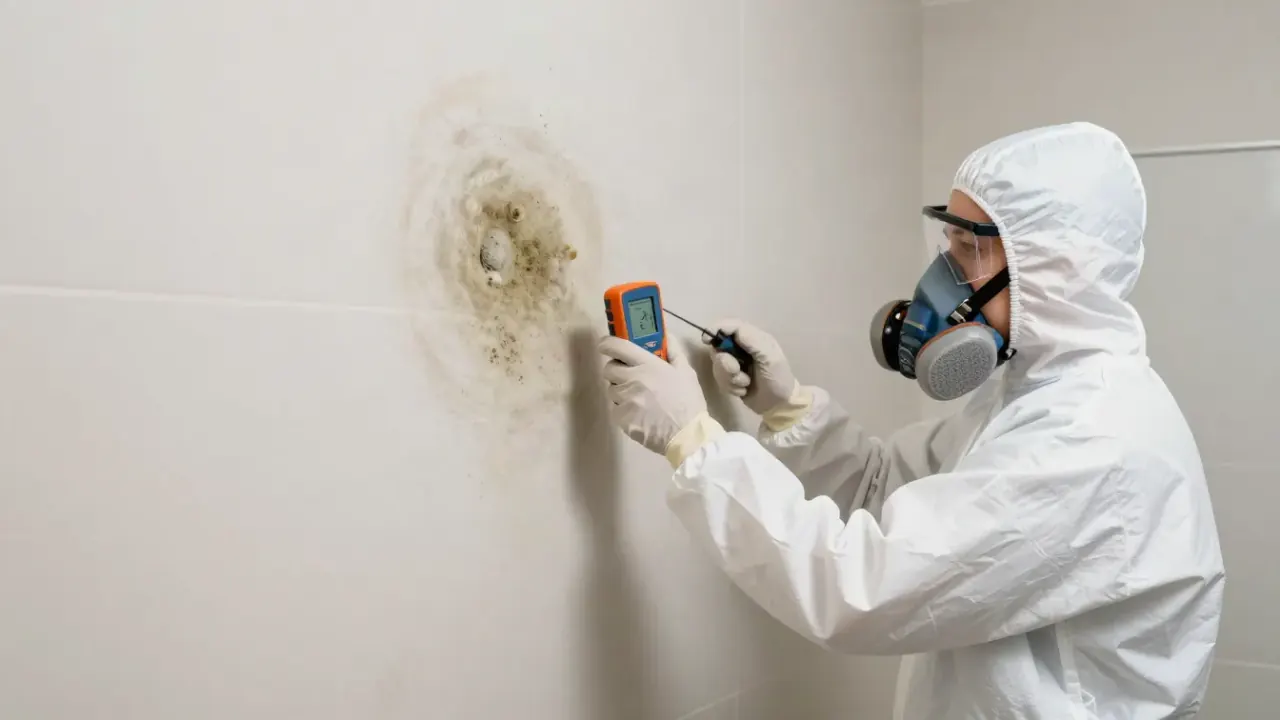
Materials can remain damp even after visible water has been removed. Drywall, wood, insulation, and flooring may require additional drying or assessment.
The time needed depends on the material, how wet it became, surrounding conditions, and the drying methods used.
Avoid assuming that an area is ready for repairs simply because its surface feels dry. Ask the contractor how moisture conditions will be evaluated before the work proceeds to the next stage.
5. Access to the Affected Area
Some mold problems are easy to reach, while others involve enclosed spaces or materials that must be removed before the full condition can be assessed.
Attics, crawl spaces, wall cavities, and areas beneath flooring can present different access challenges. Limited access may increase the time needed to inspect the area, carry out the work, and address affected materials.
6. Hidden Damage and Additional Repairs
The original scope of work may change if removal reveals additional damage.
For example, a contractor may find more affected insulation behind drywall or discover that water has reached adjacent materials. Additional repairs, replacement materials, or separate trades may then be needed.
Ask how the contractor will communicate changes to the scope, cost, and schedule before proceeding with additional work.
Does Mold Remediation Take Longer in Basements, Crawl Spaces, or Attics?
The location can affect the work involved, although no area automatically requires more time than another.
Basements: Water intrusion, damp walls, and moisture affecting stored materials may require attention to both the visible problem and the cause of dampness.
Crawl spaces: Restricted access, damp insulation, and moisture affecting wood framing can add steps to the work.
Attics: Roof leaks, condensation, and damp insulation may require investigation and repairs alongside remediation.
Bathrooms and kitchens: Plumbing leaks, damaged cabinets, or moisture behind walls can affect the scope of work.
The best way to understand the timeline is to have the affected area assessed and ask for an estimate that explains the expected stages of work.
Can You Stay in Your Home During Mold Remediation?
Whether you can remain at home depends on the location and extent of the affected area, the work being performed, and any safety concerns.
Some projects may be limited to a contained area, while others may affect frequently used rooms or require more extensive removal and cleaning.
Before work begins, ask the contractor:
- Which rooms or areas will be affected?
- Will the work area be separated from occupied spaces?
- Will access to kitchens, bathrooms, or bedrooms be restricted?
- Are there circumstances in which occupants should leave the affected area?
- How will dust and debris be managed?
People with asthma, allergies, or other health concerns may need to discuss additional precautions with an appropriate healthcare professional and the contractor.
Do not assume that every project requires you to leave the property, or that every project can be completed safely while the home remains occupied. The circumstances matter.
Does Mold Testing Add Time to the Process?
It can, depending on whether testing is appropriate and what the results are intended to establish.
Testing may involve collecting samples and sending them to a laboratory, which can add time before results are available. However, testing is not automatically necessary whenever visible mold is present.
The U.S. Environmental Protection Agency explains that sampling is often unnecessary when visible mold is present and the affected area can be addressed appropriately.
If testing is proposed, ask what question it is intended to answer, how the results will affect the work plan, and when the results are expected.
Read more about mold inspection and mold testing.
How Can You Avoid Unnecessary Delays?
You cannot control every factor that affects a remediation schedule, but a few steps can help the process move more smoothly.
- Report the problem promptly. Share what you have noticed and when it began, if known.
- Address active leaks. Arrange appropriate repairs to stop ongoing water intrusion.
- Provide access. Clear belongings from the affected area when safe and practical.
- Confirm the scope of work. Understand which materials and areas are included.
- Ask about separate repairs. Find out whether plumbing, roofing, or restoration work must be arranged independently.
- Discuss possible changes. Ask how newly discovered damage may affect the estimate and schedule.
- Confirm expectations in writing. Request a written scope and estimated timeline before work begins.
Avoid disturbing suspected mold or removing building materials yourself if doing so could spread dust or debris or create additional hazards.
How Much Does the Timeline Affect Cost?
Longer projects may involve additional labor, equipment time, drying, or coordination with other contractors. However, project duration alone does not determine the final price.
The cost also depends on the affected materials, the extent of the work, access, containment needs, and related repairs.
Ask for a written estimate that explains what is included and identifies work that may cost extra. Confirm whether drying, disposal, material replacement, and repairs to the moisture source are part of the quoted price.
For more information, read our guide to mold remediation costs.