Commercial Mold Remediation in Evansville, Indiana
Mold in a commercial building can create concerns for employees, tenants, customers, and property managers. A persistent musty odor, water damaged ceiling, or visible growth on building materials may indicate a moisture problem that needs attention.
Evansville Mold Pros connects commercial property owners and managers with independent mold remediation contractors who can assess suspected mold concerns and provide written quotes for recommended work.
Whether the issue affects an office, retail space, rental property, or another commercial building, the first step is understanding the affected areas and identifying the source of moisture.
Need help with a commercial property? Call (930) 758 0114 or submit the contact form to request a connection with an independent contractor.
Warning signs
Signs of Mold in Commercial Buildings
Mold can develop in areas that have experienced leaks, flooding, condensation, or persistent humidity. Some problems are visible, while others may first become noticeable through odors or recurring water damage.
Common warning signs include:
Discoloration on walls or ceilings
Water stains, peeling paint, or unusual patches may indicate moisture damage. Further assessment may be needed to determine whether mold is present.
Persistent musty odors
An earthy smell in offices, storage rooms, or shared areas may indicate damp materials or possible mold growth.
Water damaged flooring
Carpet, padding, and other flooring materials can retain moisture after leaks or flooding.
Damp storage areas
Stockrooms, basements, and other areas with limited airflow may develop moisture problems.
Recurring HVAC condensation
Moisture around cooling equipment, drain lines, or other system components may indicate a problem that needs attention.
Previous water damage
Areas affected by roof leaks, plumbing failures, or flooding may need further investigation if dampness or odors continue.
These signs do not automatically confirm mold. An independent contractor can assess the conditions and explain what further work may be appropriate.
Common causes
Common Causes of Commercial Mold Problems
Roof and plumbing leaks
Commercial buildings may have multiple roof penetrations, plumbing systems, and service areas. A leak can affect ceilings, wall cavities, insulation, flooring, and stored materials.
If the water source remains active, cleaning visible growth alone may not resolve the problem.
Heating and cooling system moisture
Air conditioning equipment, drain lines, condensate pans, and associated components can contribute to moisture problems if they leak, overflow, or do not drain properly. Suspected HVAC contamination may require a qualified specialist to assess the system.
Indoor humidity and condensation
Moisture can accumulate on cool surfaces when indoor humidity is high. Storage areas, poorly conditioned rooms, and spaces with limited air circulation may be more vulnerable under certain conditions.
Flooding and water intrusion
Water entering through exterior openings, damaged plumbing, or other sources can affect large areas of a commercial property. Prompt drying and an appropriate assessment can help determine which materials require attention.
Moisture behind walls or flooring
Leaks may remain concealed behind building finishes. A persistent odor, recurring staining, or repeated damage in the same area may justify further investigation.
The cause and extent of the problem should guide the recommended response rather than assuming every building requires the same treatment.
How it works
What Does Commercial Mold Remediation Involve?
The work depends on the building, the affected materials, the extent of the moisture problem, and the needs of the property owner or manager.
Assessing the affected areas
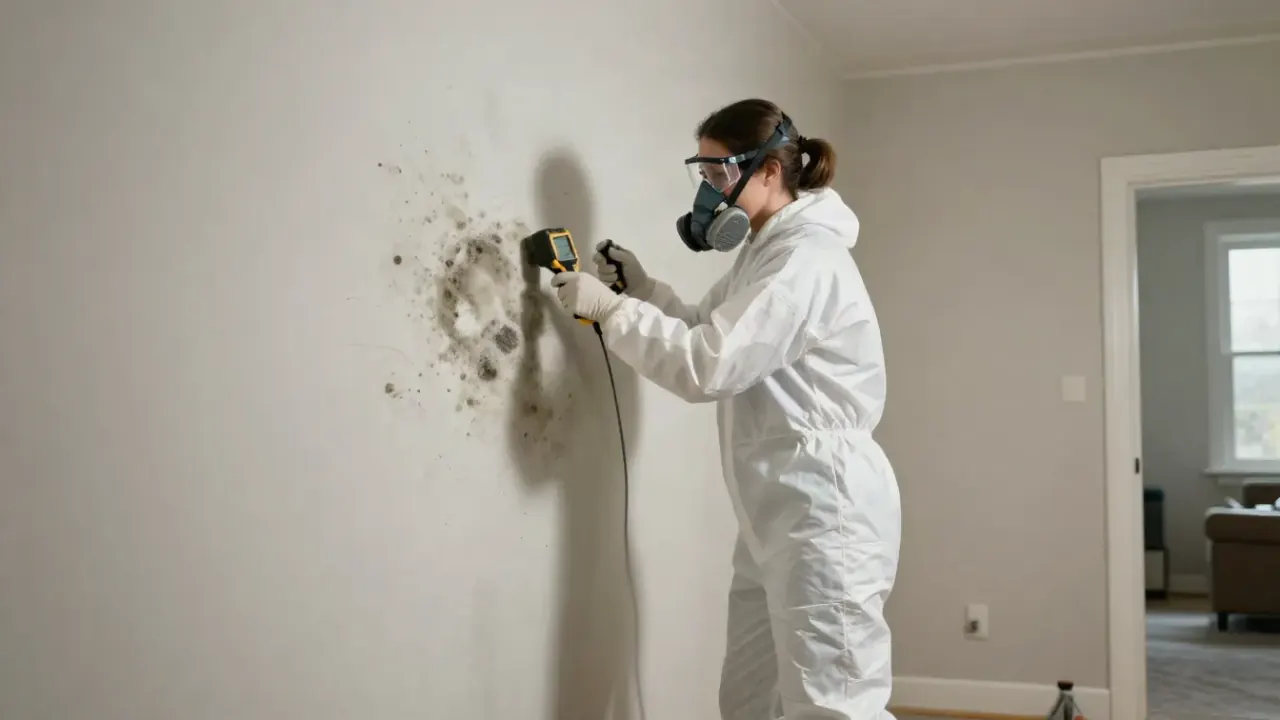
An independent contractor may examine visible growth, water damaged materials, and areas associated with reported odors or leaks. The assessment should clarify the areas included and whether further investigation is recommended.
Identifying the moisture source
The contractor may look for signs of roof leaks, plumbing problems, condensation, or water intrusion. Repairs may require a roofer, plumber, HVAC specialist, or another qualified professional, depending on the findings.
Establishing the scope of work
Before work begins, ask for a written scope that identifies the affected areas, proposed cleaning or removal, containment measures where appropriate, and any work that is excluded.
Addressing affected materials
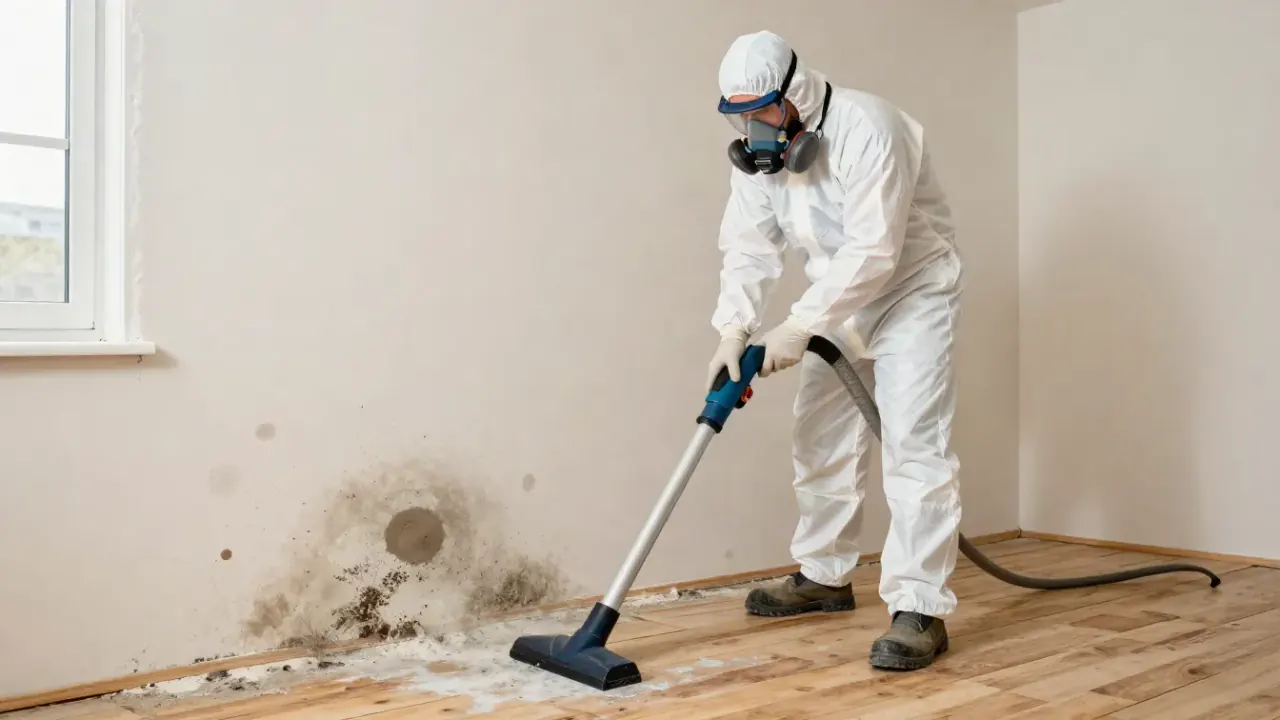
Depending on the situation, remediation may involve cleaning suitable surfaces or removing damaged porous materials such as certain ceiling tiles, drywall, insulation, or carpet padding. The method should be appropriate for the material and conditions.
Drying and correcting moisture conditions
Affected materials need appropriate drying, and the underlying moisture issue must be addressed. Otherwise, mold may return. Any separate building repairs should be clearly identified so the property manager understands what remains to be done.
The independent contractor determines the appropriate work and whether additional specialists are needed.
Commercial properties
Planning Remediation Around Business Operations
Commercial property managers may need to consider access, occupancy, and the practical effects of work on the building.
Before approving a project, discuss the following with the contractor:
Work area access: Identify the rooms, corridors, storage areas, or other spaces affected by the proposed work.
Containment and cleanup: Ask what measures will be used to limit the spread of dust and debris and how the work area will be cleaned.
Scheduling: Discuss the proposed work schedule and whether any areas need to be temporarily restricted. Do not assume evening, weekend, or after hours availability unless the contractor confirms it.
Building occupants: Determine what information tenants, employees, or other occupants may need about restricted areas and planned work.
Related repairs: Clarify whether plumbing, roofing, HVAC, or other building repairs are included or must be arranged separately.
Documentation: Ask what written scope, invoices, work records, or completion information the contractor will provide.
The right arrangements depend on the property and the scope of work. Any decisions about continued occupancy or access should be based on the conditions at the site and appropriate professional advice.
How every request is handled.
Tell us what you foundGet connectedWritten quoteYou decide
Costs and quotes
How Much Does Commercial Mold Remediation Cost?
Commercial mold remediation costs vary widely. The price depends on the affected area, the type of building materials, access conditions, containment needs, and whether related repairs are required.
Factors that may affect the quote include:
A small affected room may require a different scope from a larger project involving multiple rooms or concealed water damage.
Request a written quote that describes the work, identifies exclusions, and explains what could cause the price to change. If you receive multiple quotes, compare their scopes rather than relying on the total price alone.
Evansville Mold Pros is a referral service and does not set independent contractors' prices.
Need a quick answer?Talk with us about your property.(930) 758-0114
Good to know
How to Reduce the Risk of Future Mold Problems
Ongoing moisture control can help reduce the chance of recurring mold growth in a commercial building.
Address leaks promptly. Investigate roof leaks, plumbing problems, and water entering through exterior walls before affected materials remain damp for extended periods.
Maintain drainage systems. Keep gutters, drains, and other water management systems in suitable working condition where applicable.
Monitor indoor humidity. The US Environmental Protection Agency recommends keeping indoor humidity below 60 percent, ideally between 30 and 50 percent when practical.
Maintain HVAC equipment. Arrange appropriate maintenance and address leaking drain lines, standing water, or recurring condensation.
Respond to water damage quickly. Dry affected materials as soon as possible. The EPA advises drying wet materials within 24 to 48 hours when possible to help prevent mold growth.
Investigate recurring odors and stains. Repeated signs of moisture may indicate that an earlier repair did not fully resolve the source.
Prevention measures should fit the building and the conditions present. A commercial contractor or relevant building specialist can help identify suitable next steps.
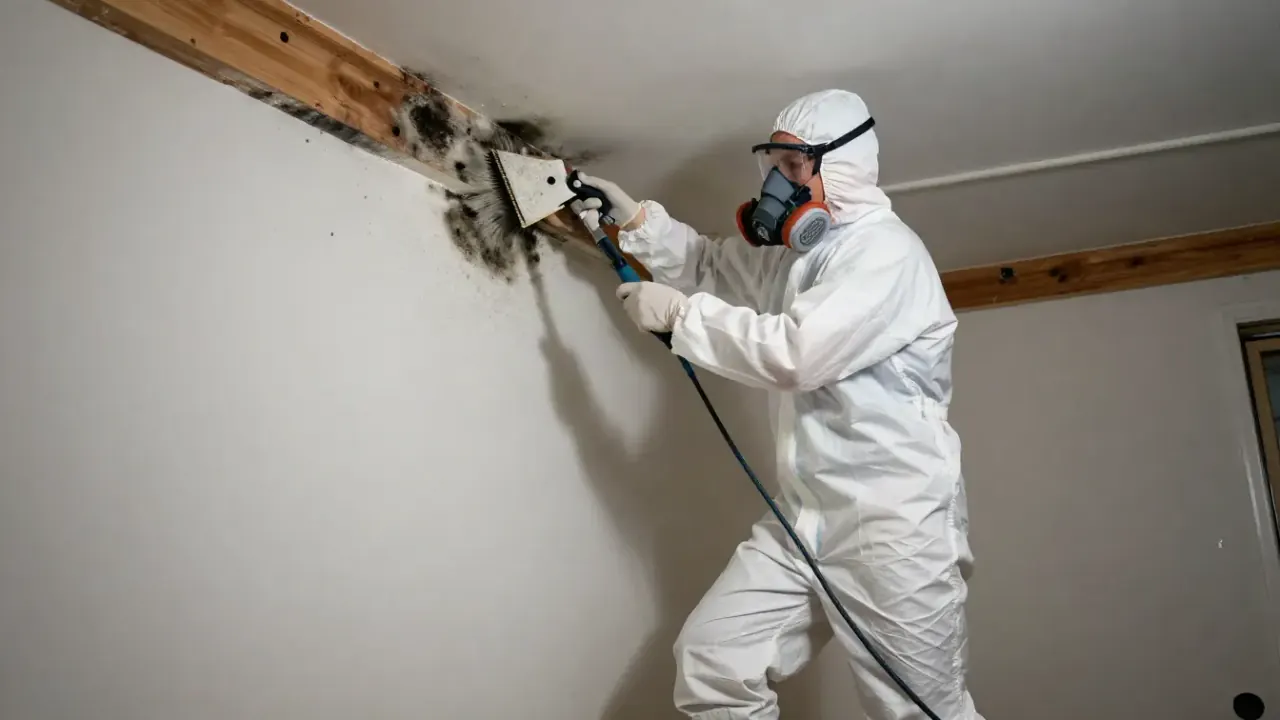
Service areas
Commercial Mold Remediation in Evansville and Nearby Areas
Commercial properties in Evansville and surrounding communities may experience moisture problems associated with roof leaks, plumbing failures, condensation, and water intrusion.
The needs of an office building may differ from those of a retail property, rental building, warehouse, or other commercial space. The assessment should consider the affected materials, building use, access requirements, and the source of moisture.
Evansville Mold Pros helps connect commercial property owners and managers with independent contractors for assessments and written quotes. Connections in nearby communities, including Newburgh, Boonville, and Mount Vernon, depend on participating contractor coverage.
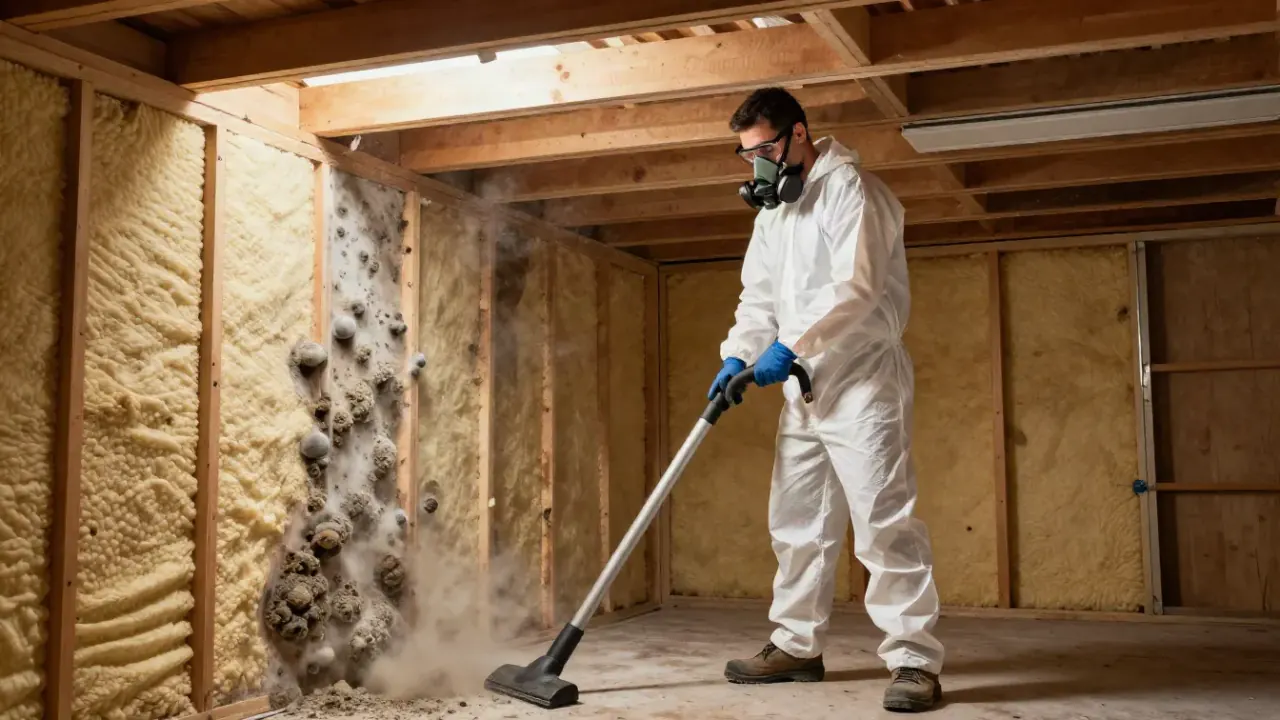
Where we work
Evansville and nearby communities.
Offices, retail spaces, rental buildings, storage areas, and other commercial properties can develop mold when materials remain damp. The appropriate response depends on the building and the affected areas.
Not necessarily. Mold remediation and repairs to roofs, plumbing, drainage, or HVAC systems may be separate services. Ask the contractor to identify what is included in the written scope.
Not every project requires a full closure. Access restrictions depend on the affected areas, work methods, and site conditions. Discuss occupancy and work area restrictions with the contractor before work begins.
Not always. The EPA notes that sampling is often unnecessary when visible mold is already present. Testing may be considered when there is a specific question that sampling could help answer.
The duration depends on the affected area, materials, drying requirements, access, and related repairs. The independent contractor can provide a project estimate after reviewing the property.
Call (930) 758 0114 or submit the contact form on this page. Evansville Mold Pros can connect you with an independent contractor who can discuss availability, assess the situation as needed, and provide a quote.
Keep exploring
Related Services
From the blog
Guides Related to Commercial Mold Remediation
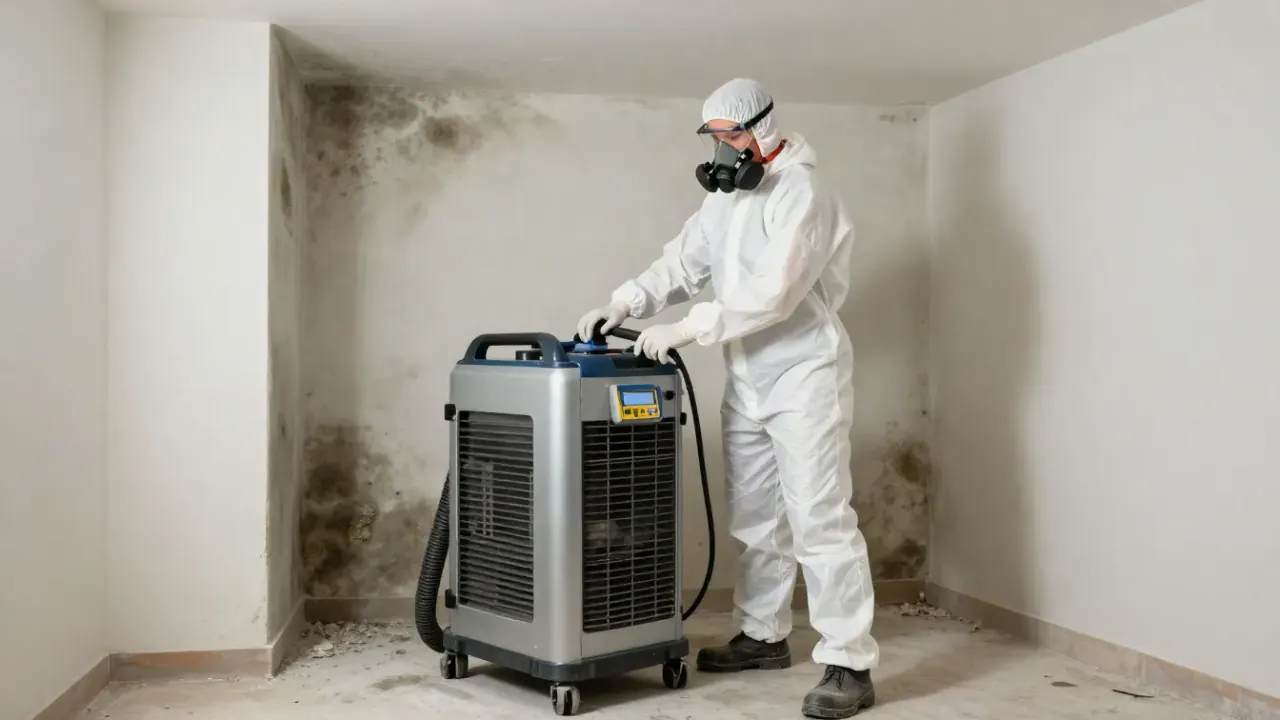
Mold Guides
How Long Does Mold Remediation Take?
Find out how long mold remediation may take, what affects the timeline, and how water damage, material removal, and repairs can delay a project.
Read the guide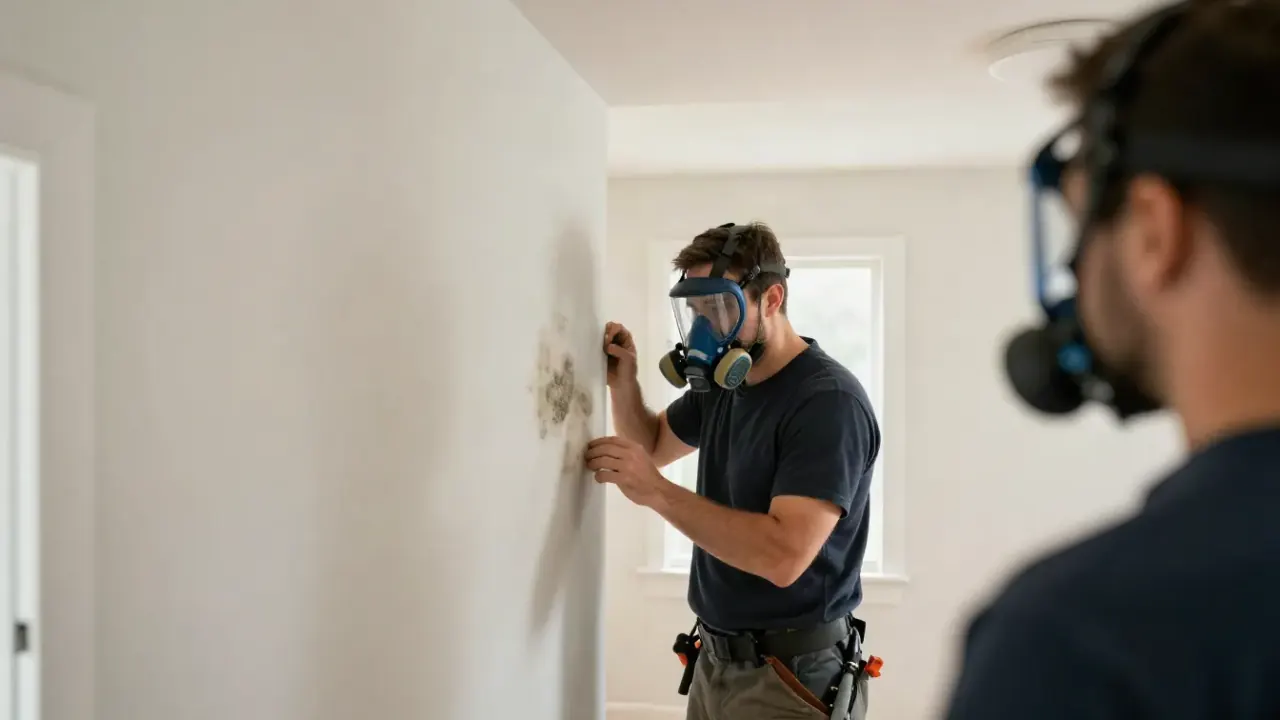
Mold Guides
How Much Does Mold Remediation Cost?
Learn what affects mold remediation costs, including affected materials, moisture problems, cleanup, and repairs before requesting a contractor quote.
Read the guideMold Guides
Does Homeowners Insurance Cover Mold?
Does homeowners insurance cover mold? Learn how the cause of damage, policy exclusions, coverage limits, and documentation can affect your claim.
Read the guideYour next step is waiting
Request a Commercial Mold Remediation Quote
If your commercial property has visible mold, recurring moisture, or signs of water damage, understanding the source can help you determine the next steps.
Call (930) 758 0114 or submit the contact form to request a connection with an independent mold remediation contractor serving Evansville, Indiana.
Evansville Mold Pros is a referral service, not a remediation contractor. Independent contractors determine their own availability, qualifications, recommendations, pricing, and scope of work.
Start with the basics
Contact Evansville Mold Pros
Evansville Mold Pros is a referral service. Independent contractors perform the assessment and remediation work, set their own prices, and confirm timing and job details directly with you.