How to Get Rid of Mold in a Bathroom
Bathrooms are common places for mold to develop because showers, baths, and running water add moisture to the air. When surfaces stay damp or ventilation is poor, mold may appear on grout, caulking, ceilings, walls, and around windows.
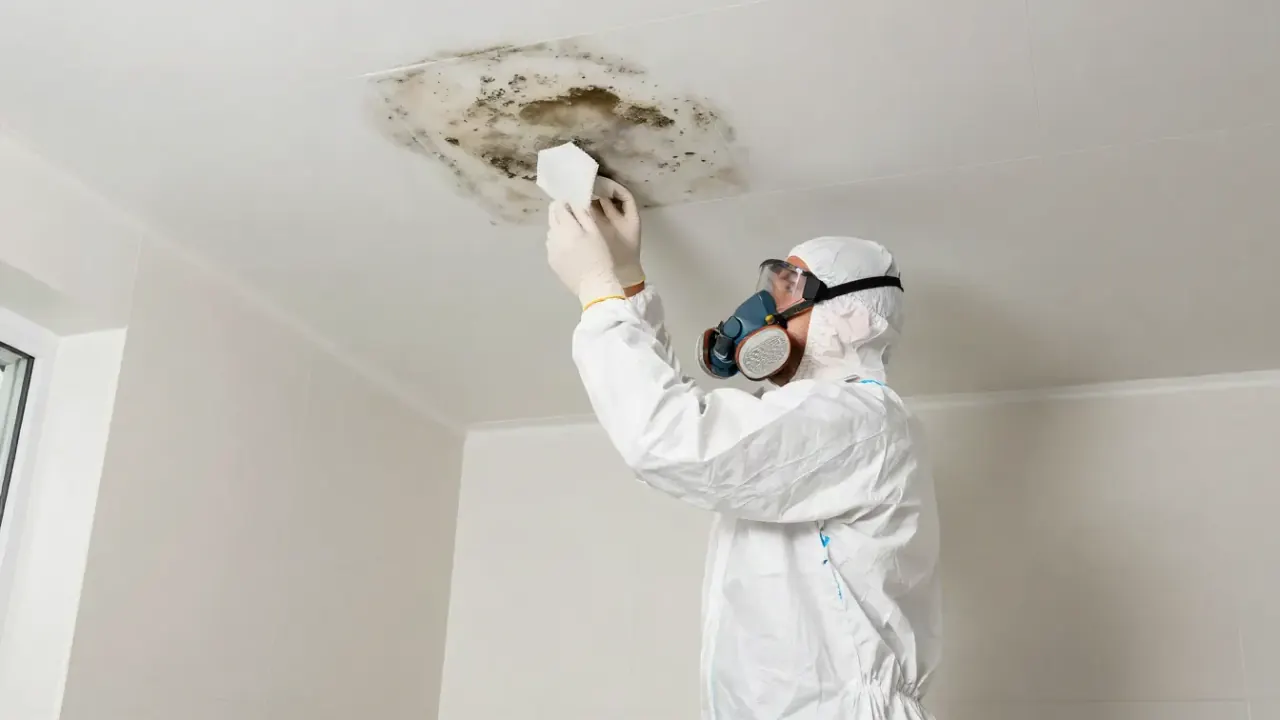
Small areas of surface growth may be manageable with appropriate cleaning, but recurring mold can indicate a moisture problem that needs attention. The right response depends on the affected material, the extent of growth, and whether water has reached areas behind the surface.
For homeowners in Evansville, Indiana, controlling moisture is an important part of addressing bathroom mold and reducing the chance of it returning.
Why Does Mold Grow in Bathrooms?
Mold can grow when moisture remains on suitable surfaces or inside building materials. Bathrooms often experience repeated exposure to steam, splashes, condensation, and occasional plumbing leaks.
Common contributing factors include:
- Poor ventilation after showers
- Persistent condensation on walls and ceilings
- Leaking faucets, pipes, or shower fixtures
- Damaged caulking around tubs and showers
- Water entering gaps between tiles
- Wet towels and bath mats that do not dry properly
A dark spot does not automatically confirm the type of growth present. However, recurring discoloration or damp materials may indicate that the area needs closer attention.
1. Identify the Source of Moisture
Before cleaning visible growth, check whether moisture is continuing to reach the affected area.
Look for dripping fixtures, loose plumbing connections, cracked or missing caulk, damaged grout, and water stains near the shower or bathtub. Check whether condensation regularly forms on the ceiling or walls.
If a leak is present, arrange repairs before refinishing the area. Cleaning mold without correcting the source of moisture may allow it to return.
If the wall feels soft, the ceiling is swollen, or water appears to be entering the building materials, consider an appropriate assessment before attempting repairs.
2. Clean Mold From Suitable Hard Surfaces
A small amount of growth on an intact, suitable hard surface may be removable with careful cleaning.
For many hard bathroom surfaces:
- Follow the cleaning product's instructions.
- Use a method suitable for the material.
- Avoid spreading dust or debris into other areas.
- Rinse or wipe the surface as directed.
- Dry the area thoroughly afterward.
Do not assume that stronger chemicals are always better. Bleach is not necessary for every mold cleanup, and cleaning products should never be mixed. In particular, never mix bleach with ammonia or other cleaners.
Avoid using excessive water on drywall, wood, or other materials that may absorb moisture.
If growth is extensive, repeatedly returns, or affects damaged materials, consider seeking appropriate professional advice instead of continuing to clean the same area.
3. Remove Mold From Bathroom Grout
Grout between tiles can become discolored when moisture and residue accumulate. Mold may develop on the surface or in areas where water remains for long periods.
For a small area of growth on intact grout, use a cleaning product suitable for the surface and follow its directions. Use an appropriate brush if the product instructions allow it, and dry the area after cleaning.
Inspect the surrounding grout for cracks, missing sections, or signs of water damage. Damaged grout may allow water to reach materials behind the tiled surface.
Cleaning may improve the appearance of the grout, but it will not resolve a leak or moisture trapped behind the tiles.
4. Check Mold Around Caulking
Caulk seals joints around bathtubs, showers, sinks, and other bathroom fixtures. Over time, it may crack, separate, or deteriorate.
If growth appears on caulking, check whether the material remains intact. Surface cleaning may be suitable for some conditions, but caulk that is damaged or has growth extending into the material may need replacement.
Before applying new caulk, make sure the underlying area is suitable for the repair and has been cleaned and dried appropriately. Applying new material over damp or affected surfaces can conceal the problem without resolving it.
If water has entered the wall or floor behind the joint, further investigation may be necessary.
5. Prevent Mold on Bathroom Ceilings and Walls
Mold on bathroom ceilings or walls may be associated with condensation, inadequate ventilation, or a leak from plumbing or the area above.
To help reduce moisture:
- Use an exhaust fan during showers and afterward, following the manufacturer's guidance.
- Make sure the fan vents outdoors where required.
- Allow wet surfaces to dry after bathing.
- Repair plumbing leaks promptly.
- Monitor recurring condensation.
- Investigate water stains or peeling paint rather than simply repainting them.
If the same ceiling or wall repeatedly develops dark spots, consider whether moisture is trapped inside the material or whether a leak needs repair.
Soft drywall, bubbling paint, swollen materials, or recurring stains may warrant further assessment.
6. Improve Bathroom Ventilation
Ventilation helps remove humid air generated by showers and baths. Without adequate airflow, moisture may linger on surfaces and contribute to recurring growth.
A few practical habits can help:
- Run the exhaust fan during bathing and afterward.
- Keep the fan and its grille clean according to the manufacturer's instructions.
- Allow towels and bath mats to dry between uses.
- Wipe away excess water where practical.
- Address persistent condensation or humidity.
Opening a window may help when outdoor conditions are suitable, but it is not always the best solution. Humid outdoor air can add moisture to the home in some conditions.
If the bathroom remains damp despite regular ventilation, investigate possible leaks, fan problems, or other moisture sources.
7. When Is Bathroom Mold More Than a Surface Problem?
Some bathroom mold concerns involve more than visible spots on tiles or caulk.
Consider seeking appropriate professional advice if:
- Mold covers a large area or keeps returning.
- Drywall or ceiling materials are soft, swollen, or crumbling.
- You suspect mold behind tiles, wallpaper, or cabinets.
- A plumbing leak has affected enclosed materials.
- A musty odor persists without an obvious source.
- You cannot identify or correct the moisture problem.
Avoid cutting into walls or removing materials without considering the potential hazards. Disturbing affected materials can release dust and debris, and concealed plumbing or electrical components may present additional risks.
An assessment may help identify visible growth, moisture damage, and possible sources of water intrusion.
Learn more about Mold Inspection if you want to understand what an inspection may involve.
Do You Need Mold Testing in a Bathroom?
Not necessarily. Mold testing may be useful when sampling can answer a specific question, but it is not automatically required whenever visible growth is present.
The U.S. Environmental Protection Agency explains that sampling is often unnecessary when visible mold is present and the affected area can be addressed appropriately.
If testing is recommended, ask what question the samples are intended to answer and how the results may affect the next steps.
Read more about Mold Testing.
How to Keep Bathroom Mold From Returning
The best prevention steps depend on the reason mold developed in the first place.
To help reduce the chance of recurrence:
- Repair leaking fixtures and pipes.
- Maintain intact caulking and grout.
- Use suitable ventilation.
- Dry wet surfaces after bathing.
- Address condensation and excessive humidity.
- Investigate recurring stains or damaged materials.
- Make sure water does not continue entering walls or floors.
For more moisture control advice, read How to Prevent Mold in Your Home.