How to Prevent Mold in Your Home
Mold can grow indoors when moisture remains on surfaces or inside building materials. A small leak, damp basement, humid bathroom, or roof problem can create conditions that allow mold to develop.
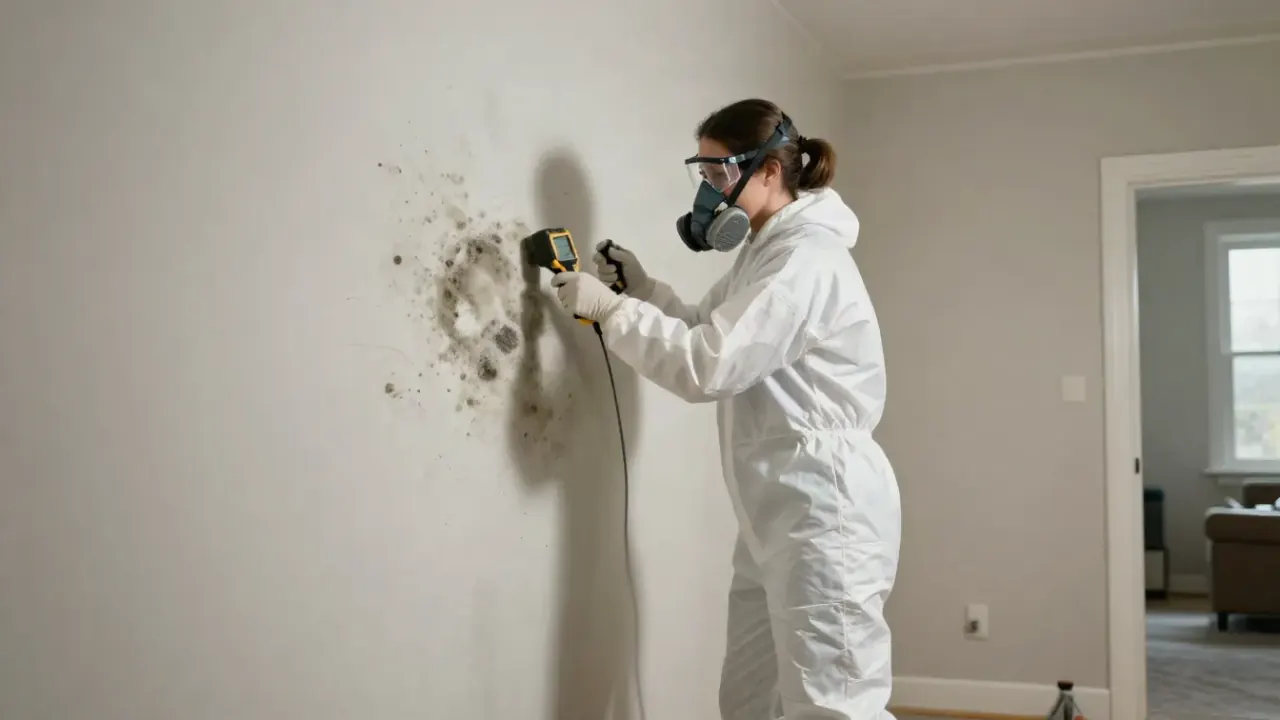
The most effective way to help prevent mold is to control moisture before it becomes a recurring problem. Regular checks, prompt repairs, and proper ventilation can help keep your home drier.
For homeowners in Evansville, Indiana, this means paying attention to areas where water enters, humidity builds up, or materials take too long to dry.
1. Fix Water Leaks Promptly
Leaks are a common source of indoor moisture. Even a slow drip can keep nearby materials damp long enough for mold to develop.
Check for leaks around:
- Kitchen and bathroom sinks
- Toilets, tubs, and showers
- Washing machines and dishwashers
- Visible plumbing pipes
- Windows and exterior doors
- Roofs and ceilings after heavy rain
Look for water stains, peeling paint, swollen materials, or damp areas beneath plumbing fixtures. If you find a leak, arrange repairs and dry affected materials as soon as possible.
If water has entered a wall, floor, or ceiling, the visible surface may not reveal how much moisture remains inside. Further assessment may be necessary if the area stays damp or develops a musty smell.
2. Keep Indoor Humidity Under Control
High indoor humidity can encourage mold growth, especially on cool surfaces where moisture condenses.
The U.S. Environmental Protection Agency recommends keeping indoor relative humidity below 60 percent when possible, ideally between 30 and 50 percent.
A few practical steps can help:
- Use a hygrometer to monitor indoor humidity.
- Run a dehumidifier when humidity remains high.
- Use air conditioning when appropriate.
- Vent moisture producing appliances outdoors as required.
- Investigate recurring condensation on windows, pipes, and walls.
A dehumidifier can help reduce moisture in the air, but it will not fix a leaking pipe, roof problem, or water entering through the foundation. Address the underlying cause as well.
3. Improve Bathroom Ventilation
Bathrooms produce moisture from showers, baths, and hot running water. Without adequate ventilation, humidity can settle on ceilings, walls, grout, and other surfaces.
To reduce moisture buildup:
- Run the bathroom exhaust fan during showers and afterward, following the fan manufacturer's guidance.
- Make sure the fan vents outdoors rather than into an attic or another enclosed space.
- Wipe excess water from shower walls and other wet surfaces when practical.
- Repair leaking faucets, shower fittings, and plumbing connections.
- Allow damp towels and bath mats to dry between uses.
If mold repeatedly appears on bathroom ceilings or walls, consider whether ventilation is adequate and whether a hidden leak may be contributing.
4. Check Basements and Crawl Spaces
Basements and crawl spaces can be vulnerable to moisture from leaks, drainage problems, damp ground, and condensation.
Check these areas periodically for:
- Musty odors
- Damp walls or floors
- Water stains
- Wet insulation
- Visible growth on wood or other materials
- Water collecting near the foundation
Keep gutters and downspouts clear, and make sure water is directed away from the foundation where appropriate. Persistent water intrusion may require drainage or foundation repairs.
Crawl spaces may need additional attention because access can be limited and moisture can affect wooden framing and insulation.
If you find recurring dampness or suspected mold, learn more about basement mold remediation and crawl space mold remediation.
5. Keep Roofs and Attics Dry
Roof leaks can allow water to reach roof sheathing, insulation, and ceilings. Condensation can also contribute to attic moisture when warm, humid air meets cooler surfaces.
Watch for water stains on ceilings, damp insulation, unusual odors, or visible discoloration on attic materials.
To help reduce attic moisture:
- Arrange roof repairs when leaks are found.
- Check that bathroom and kitchen exhaust ducts discharge outdoors as required.
- Address ventilation problems where present.
- Investigate recurring condensation.
- Have damaged or persistently damp materials assessed.
Do not assume that adding ventilation alone will solve every attic moisture problem. The cause may involve roof leaks, air leakage, insulation, or other building conditions.
Read more about attic mold remediation and removal.
6. Dry Wet Materials Quickly
After a spill, leak, or water intrusion event, prompt drying can help reduce the chance of mold growth.
When it is safe to do so:
- Remove standing water.
- Dry wet hard surfaces.
- Move damp belongings to a suitable drying area.
- Use fans or dehumidifiers when appropriate.
- Arrange professional water removal or drying when the amount of water or affected area requires it.
The EPA advises drying water damaged areas and items within 24 to 48 hours when possible to help prevent mold growth. This is a useful target, not a guarantee that mold will not develop.
Water can remain trapped inside drywall, insulation, flooring, and other materials even after the surface feels dry. If materials remain damp, become damaged, or develop an odor, further assessment may be needed.
7. Avoid Trapping Moisture Indoors
Everyday activities add moisture to indoor air. Cooking, showering, drying clothes, and using certain appliances can increase humidity.
You can help manage this moisture by:
- Using kitchen exhaust fans that vent outdoors.
- Venting clothes dryers outdoors according to manufacturer instructions.
- Avoiding indoor clothes drying when humidity is already high, or providing suitable ventilation.
- Keeping air moving around furniture where practical.
- Avoiding prolonged storage of damp items in enclosed spaces.
If condensation repeatedly appears on windows or walls, investigate the source rather than simply wiping the surface each time.
8. Inspect Problem Areas Regularly
Routine checks can help you notice moisture problems before they spread.
Look under sinks, around windows, near water heaters, in basements, and around visible plumbing connections. After heavy rain, check accessible areas for signs of water entry. Pay attention to recurring musty odors, even when no mold is visible.
If you discover suspicious growth, avoid disturbing it unnecessarily. Color and appearance alone cannot reliably identify the type of mold or determine the extent of the problem.
An inspection may help identify visible growth, water damage, and possible moisture sources. Testing is not automatically required whenever mold is visible.
Learn about mold inspection and mold testing if you need help understanding the options.
9. What to Do If Mold Keeps Returning
If mold reappears after cleaning, moisture may still be reaching the area. Possible causes include an unresolved leak, condensation, high humidity, or damp materials behind a visible surface.
Repeatedly cleaning the same spot without correcting the cause may not solve the problem.
Consider getting appropriate professional advice if:
- Growth keeps returning after cleaning.
- Drywall, insulation, flooring, or wood appears damaged.
- You suspect mold behind walls or beneath flooring.
- The affected area is extensive.
- Water damage has affected multiple materials.
- You cannot identify the source of moisture.
The correct response depends on the conditions at your property and the materials involved.
Related step-by-step guides: bathroom mold removal, crawl space mold removal.