7 Signs of Hidden Mold in Your Home
Not all mold is easy to see. It can develop behind drywall, beneath flooring, around plumbing fixtures, or inside other areas where moisture becomes trapped.
Sometimes, the first sign is a persistent musty odor or a water stain that keeps returning. Other times, you may notice damaged materials without knowing what caused them.
If you suspect hidden mold in your Evansville, Indiana, home, look for signs of moisture and water damage rather than relying on appearance alone. These clues can help you decide whether further investigation is needed.
1. A Persistent Musty Odor
A musty smell can be a warning sign of dampness or fungal growth, especially when it continues after you clean the room or remove the source of an obvious odor.
Pay attention to smells that seem strongest near:
- Cabinets beneath sinks
- Closets along exterior walls
- Basements and crawl spaces
- Areas around plumbing fixtures
- Rooms affected by previous leaks
- Attics or ceiling spaces
A musty odor does not prove that mold is present. Other sources can produce unpleasant smells, so investigate the conditions around the area rather than assuming the cause.
If the odor persists and you cannot locate its source, an appropriate assessment may help identify possible moisture problems.
2. Water Stains on Walls or Ceilings
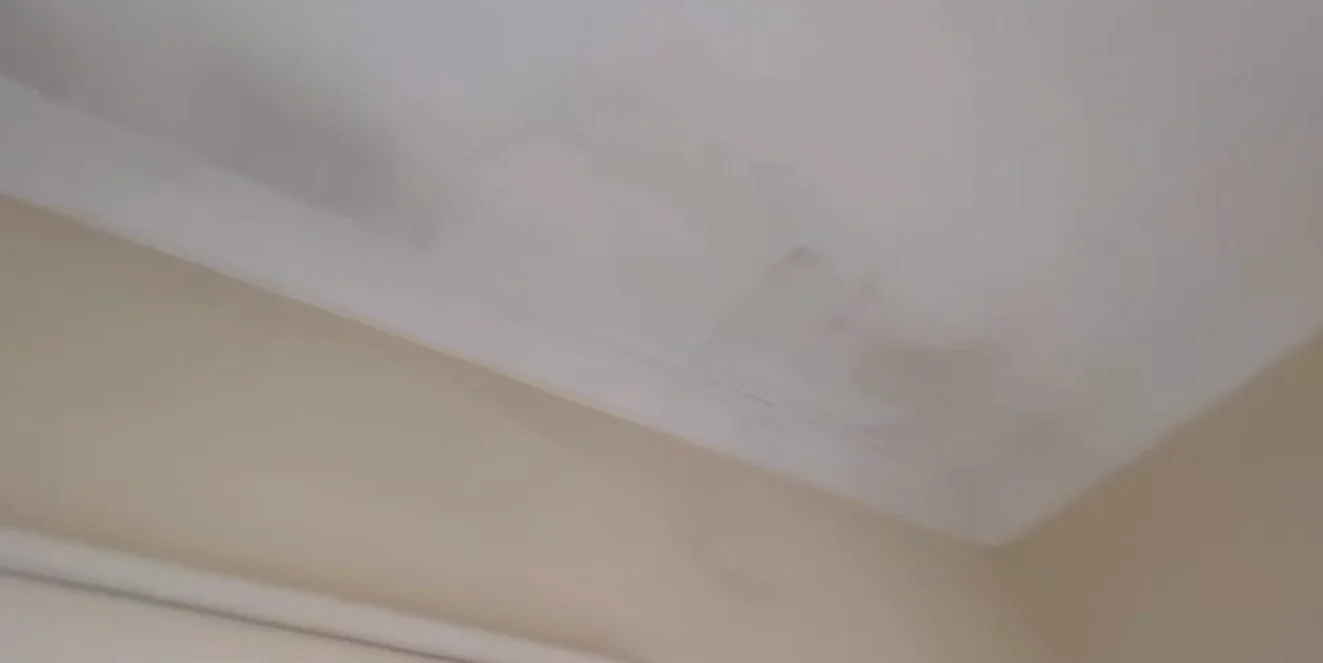
Brown, yellow, or dark stains may indicate that water has entered a building material. The source could be a roof leak, plumbing problem, condensation, or water intrusion from outside.
Look for stains that:
- Reappear after being painted
- Become larger over time
- Feel damp or soft
- Appear near pipes, windows, or ceilings
- Occur alongside peeling paint or bubbling surfaces
A water stain does not automatically mean mold is growing behind the surface. However, if materials have remained damp, hidden fungal growth may be possible.
Identify and address the source of water before repairing the damaged area.
3. Peeling Paint, Bubbling Walls, or Warped Materials
Moisture can damage paint, drywall, wood, flooring, and other building materials. You might notice wallpaper separating from a wall, paint bubbling, swollen baseboards, or flooring that has started to warp.
These changes can indicate a moisture problem even when no mold is visible.
Check whether the damage is near a known leak or an area that frequently becomes damp. Avoid opening walls or removing flooring without considering plumbing, electrical, and other safety risks.
If damaged materials remain wet or the cause is unclear, further assessment may be needed to determine the extent of the problem.
4. Mold Keeps Returning After Cleaning
If dark spots repeatedly appear in the same place, the underlying moisture conditions may not have been corrected.
For example, cleaning a bathroom surface may remove visible growth, but recurring condensation or a leaking fixture can create conditions for it to return. Similarly, mold on a basement wall may be associated with ongoing water intrusion.
Repeated growth can be a reason to investigate:
- Whether the surface continues to get wet.
- Whether a leak has been fully repaired.
- Whether moisture remains inside nearby materials.
- Whether ventilation or humidity is contributing to the problem.
Avoid simply painting over the affected area. The appropriate response depends on the material, the extent of growth, and the source of moisture.
5. Dampness Beneath Sinks or Around Plumbing
Leaks do not always create visible puddles. A loose connection, damaged seal, or slow drip can leave the back of a cabinet or nearby wall damp for an extended period.
Periodically check beneath kitchen and bathroom sinks for:
- Damp cabinet bases
- Swollen wood or particleboard
- Water marks around pipe openings
- Peeling material near plumbing
- Persistent odors inside cabinets
Also pay attention to areas around toilets, washing machines, dishwashers, and water heaters.
If you discover a leak, arrange the necessary repair and dry affected materials when safe. If moisture has entered a wall or cabinet structure, the visible surface may not show the full extent of the damage.
6. Moisture Problems in Basements, Crawl Spaces, or Attics
Some parts of a house are more difficult to monitor because they are enclosed, have limited access, or are exposed to particular moisture sources.
Basements
Water intrusion, damp walls, condensation, and plumbing leaks can contribute to moisture problems. Watch for water stains, musty smells, and materials that remain damp.
Learn more about Basement Mold Remediation.
Crawl Spaces
Moisture beneath a home may affect wooden framing, insulation, and other materials. Signs can include damp insulation, visible water, or persistent odors coming from the crawl space.
Read about Crawl Space Mold Remediation.
Attics
Roof leaks and condensation can affect roof sheathing, insulation, and nearby materials. Check for water stains and signs of dampness when the attic can be accessed safely.
Explore Attic Mold Remediation and Removal.
Do not enter an unsafe crawl space or attic to investigate suspected mold. Consider appropriate professional assistance when access is difficult or conditions present a hazard.
7. Previous Water Damage Was Never Fully Resolved
A past leak or water intrusion event can leave moisture trapped in building materials if drying and repairs were incomplete.
Even after the original leak has stopped, affected drywall, insulation, flooring, or wood may remain damp. Covering the damaged area or replacing only the visible surface may not address the underlying condition.
If your property has experienced previous water damage, consider whether:
- The source of water was repaired.
- Wet materials were dried appropriately.
- Damaged materials were assessed.
- New stains or odors have appeared.
- The same area has developed problems again.
If you are unsure whether the earlier damage was fully addressed, an assessment may help determine whether additional investigation is warranted.
Can You Have Hidden Mold Without Seeing It?
Yes. Mold can develop in concealed spaces when moisture and suitable materials are present. However, hidden mold should not be assumed simply because a room smells musty or has a water stain.
A visible stain may have another cause, and an odor alone cannot establish that mold is present. The best next step is to investigate the source of moisture and look for supporting evidence of water damage.
Avoid cutting into walls, pulling up flooring, or disturbing suspected growth without understanding the risks. Opening an enclosed area can release dust and debris and may create additional hazards.
How Is Hidden Mold Investigated?
The approach depends on the signs observed and the area involved.
Visual Assessment
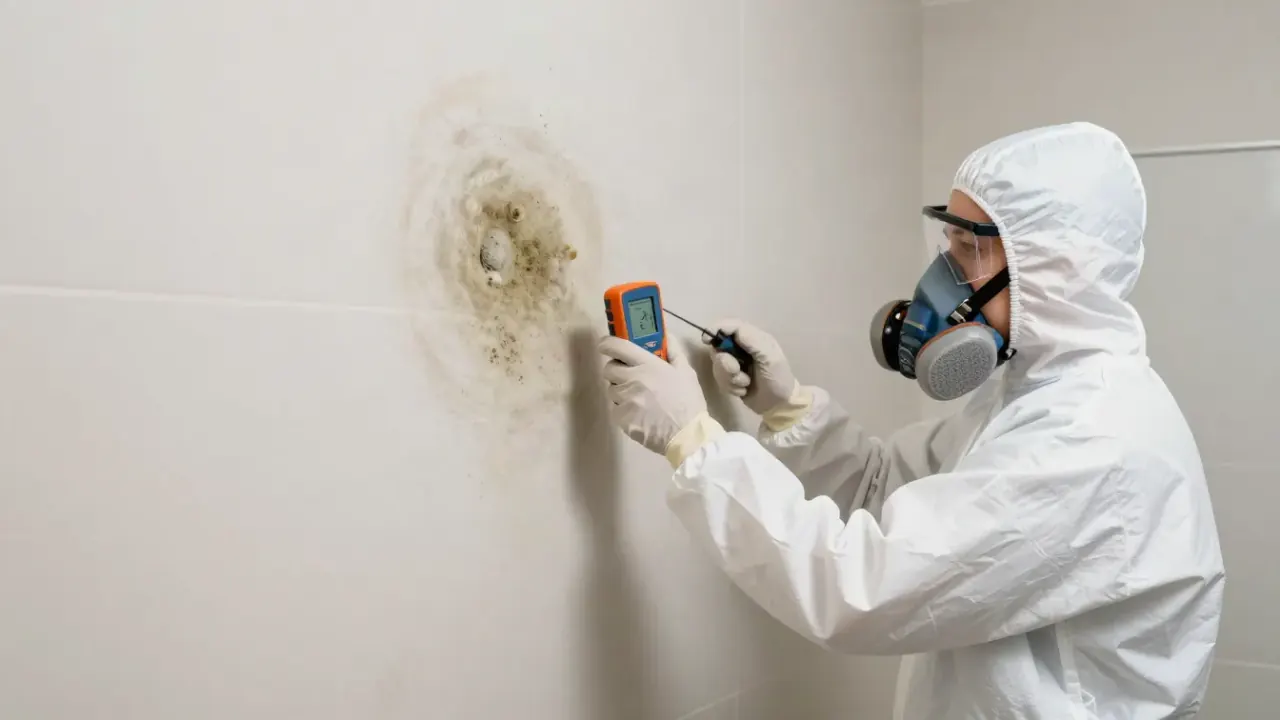
An inspection may examine accessible surfaces, visible water damage, and possible moisture sources. Depending on the service, it may include moisture measurements or recommendations for further investigation.
An inspection cannot always determine what is inside a closed wall or beneath flooring without additional steps.
Learn more about Mold Inspection.
Moisture Measurements
Appropriate moisture measuring tools may help assess certain building materials. Results depend on the material, tool, and conditions, and should be interpreted in context.
Mold Testing
Air or surface sampling may be useful when it answers a specific question. However, testing does not automatically locate hidden mold or prove that a property is free of mold.
The U.S. Environmental Protection Agency explains that sampling is often unnecessary when visible mold is present and the affected area can be addressed appropriately.
Read about Mold Testing to understand when sampling may be useful.
What Should You Do If You Suspect Hidden Mold?
If you notice signs of possible hidden mold, take practical steps to understand the problem without disturbing the affected area unnecessarily.
- Look for moisture sources. Check accessible areas for leaks, condensation, and water stains.
- Address active leaks. Arrange repairs to stop ongoing water intrusion.
- Document visible signs. Take photographs of stains or damaged materials when safe.
- Avoid covering the problem. Painting over stains or sealing damp materials may hide the warning signs without resolving the cause.
- Seek appropriate advice. If moisture persists, materials are damaged, or the source is unclear, consider an assessment.
- Discuss the proposed work. If remediation is recommended, ask which materials are affected and whether moisture repairs are included.
The right response depends on the conditions at your property. Not every stain or odor requires mold remediation, but persistent moisture should not be ignored.
Related step-by-step guides: attic mold removal, mold on wood.