How to Get Rid of Mold in an Attic
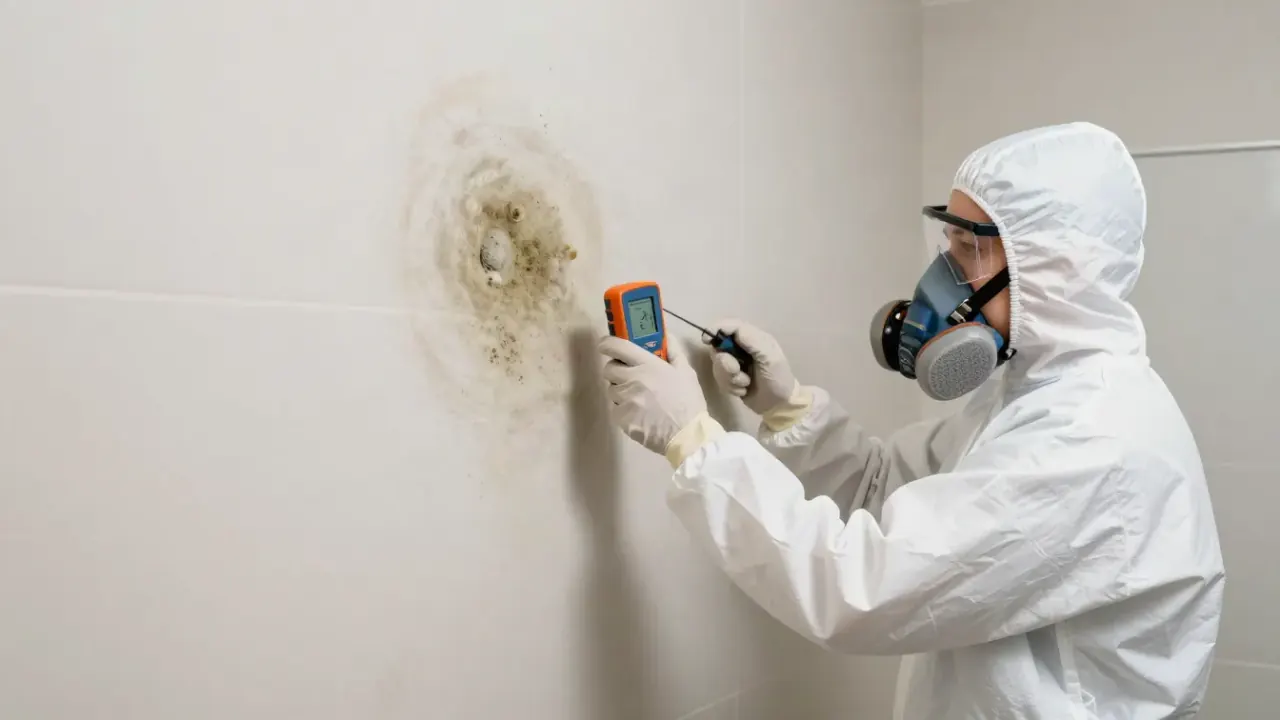
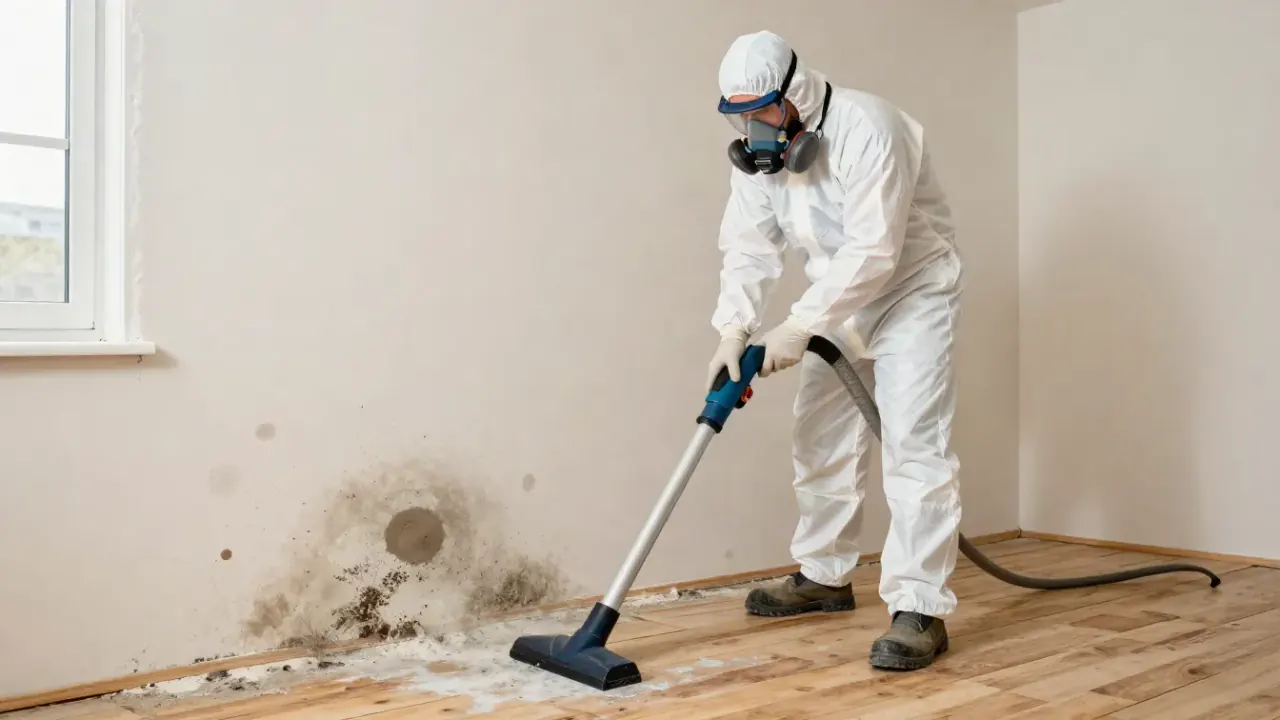
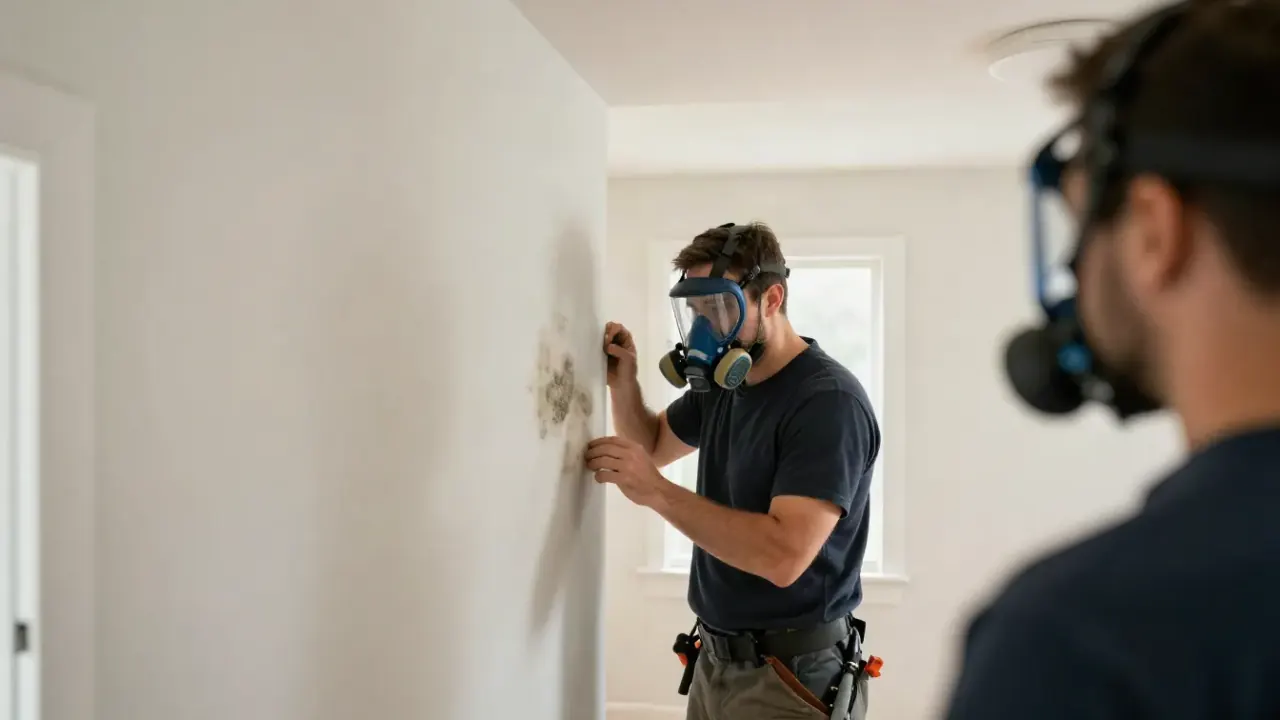
Mold in an attic often develops when moisture becomes trapped around roof sheathing, rafters, insulation, or other building materials. Roof leaks are one possible cause, but condensation from warm, moist air can also contribute to mold growth.
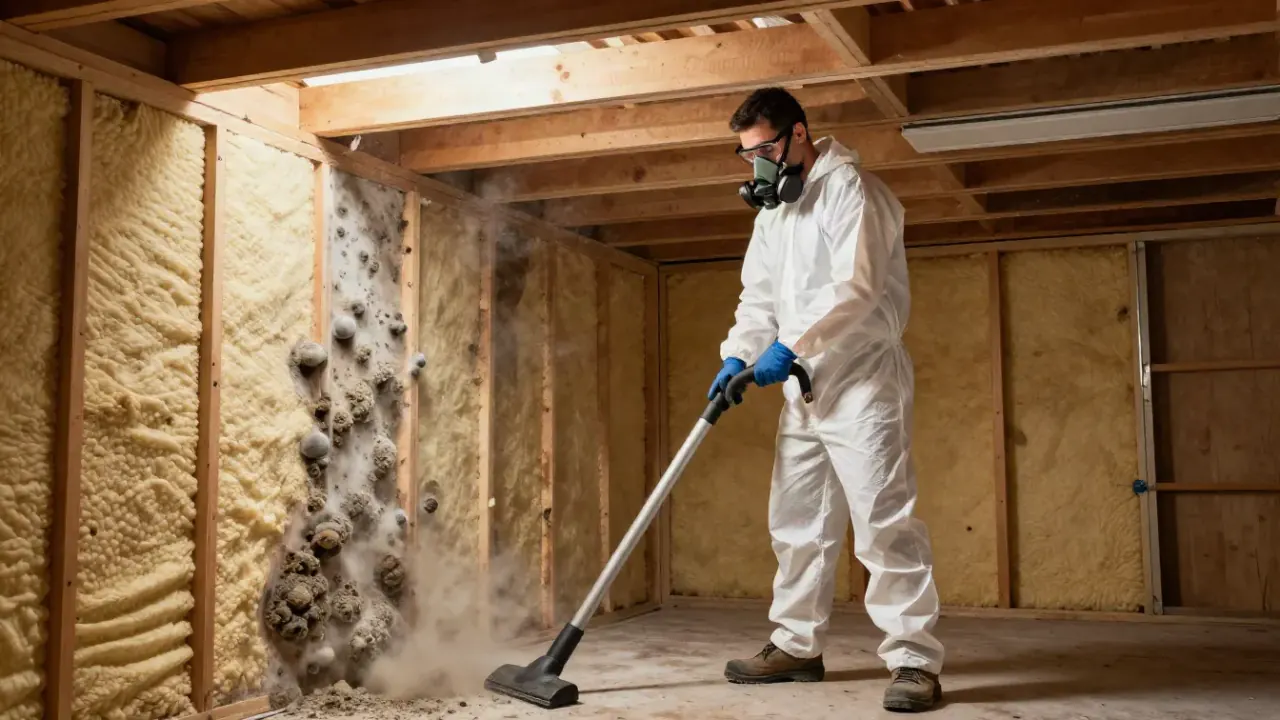
Because attics are not inspected as often as living spaces, moisture problems may go unnoticed until someone discovers dark patches on the roof decking, notices a musty odor, or finds signs of a roof leak.
If you suspect attic mold in your Evansville, Indiana, home, the first step is to identify the source of moisture. Cleaning the visible growth without correcting the underlying problem may allow it to return.
What Causes Mold in an Attic?
Attic mold can develop when moisture accumulates on suitable surfaces and does not dry adequately.
Common causes include:
Roof leaks: Damaged shingles, flashing, or roof penetrations can allow water to reach the attic.
Condensation: Warm, moist air entering a cold attic can create moisture on roof sheathing and other surfaces.
Bathroom exhaust ducts: A bathroom fan that discharges into the attic instead of outdoors can introduce moisture into the space.
Poorly managed attic airflow: Inadequate or blocked ventilation may contribute to moisture problems, depending on the roof design and other building conditions.
Air leaks from the living space: Gaps around ceiling fixtures, attic hatches, and other openings can allow indoor air to enter the attic.
Wet insulation or building materials: Materials affected by leaks or condensation may remain damp long enough to support mold growth.
Identifying the actual cause matters because different moisture problems require different solutions.
1. Look for Signs of Attic Mold
You may notice attic mold during routine roof maintenance, after a leak, or when investigating an unexplained odor.
Possible warning signs include:
- Dark or irregular patches on roof sheathing
- Discoloration on rafters or wooden framing
- Damp or compressed insulation
- Water stains on roof decking
- Visible condensation on cold surfaces
- A persistent musty odor near the attic entrance
Dark discoloration does not automatically confirm mold. Wood can change color for other reasons, and a visual inspection may not establish the extent of the problem.
If the attic is difficult to access, has exposed wiring, or shows signs of structural damage, do not enter it just to investigate. A professional assessment may be more appropriate.
2. Find and Fix the Moisture Source
Before cleaning affected materials, determine how moisture is entering or accumulating in the attic.
If you suspect a roof leak, look for water stains, damp wood, or other signs of water intrusion. The absence of visible dripping does not rule out an intermittent leak.
If there is no obvious roof leak, condensation may be contributing to the problem. Check whether bathroom exhaust ducts discharge outdoors and whether gaps allow moist indoor air to enter the attic.
Roof repairs, exhaust duct corrections, air sealing, and ventilation adjustments may all be relevant, depending on the conditions.
Do not assume that adding a fan or increasing ventilation will solve every attic moisture problem. The correct approach depends on the roof assembly, existing ventilation, insulation, and sources of indoor humidity.
3. Assess the Roof Sheathing and Wooden Framing
Roof sheathing is the material attached to the roof framing beneath the roofing system. Rafters and other wooden components may also be affected by persistent moisture.
When inspecting accessible areas, look for visible growth, damp surfaces, water stains, and signs that the wood may be deteriorating.
Avoid scraping, sanding, or aggressively brushing suspected mold without considering how dust and debris could spread. Disturbing affected materials without suitable precautions may make the problem harder to manage.
Mold growth and structural damage are not the same thing. If the wood appears soft, weakened, or significantly deteriorated, further assessment may be needed to determine whether repairs are necessary.
The condition of the material, the amount of affected area, and the source of moisture help determine the appropriate next steps.
4. Check the Attic Insulation
Insulation can become damp when water enters through the roof or when condensation develops.
Wet insulation may lose some of its intended performance, depending on the material and the extent of the moisture. If insulation has visible growth, remains wet, or has been damaged, it may need further assessment to determine whether it can be cleaned or should be replaced.
Do not simply cover affected insulation with new material. First address the moisture source and assess the condition of the existing insulation and nearby wood.
If insulation must be removed, the work should account for dust, debris, and any potential hazards associated with the material.
5. Can You Remove Attic Mold Yourself?
DIY cleanup is not suitable for every attic mold problem.
A small area on an accessible, nonporous surface may be easier to manage than widespread growth across roof sheathing, rafters, or insulation. However, attic work can involve steep or unstable surfaces, exposed nails, limited headroom, electrical hazards, and inadequate flooring.
Before attempting cleanup, consider:
- How extensive the suspected mold appears to be.
- Whether the affected materials are porous or damaged.
- Whether the moisture source has been corrected.
- Whether the attic can be accessed safely.
- Whether cleanup could spread dust or contaminated debris.
Do not walk on unsupported ceiling materials or step between ceiling joists without a safe, suitable walking surface. Never mix cleaning products, and use products only as directed for the intended material.
If the affected area is extensive, insulation is involved, wood is deteriorating, or access is unsafe, seek appropriate professional assistance instead of attempting the work yourself.
6. Prevent Attic Mold From Returning
Removing visible growth is only part of addressing an attic moisture problem. The conditions that allowed the growth to develop must also be corrected.
Useful prevention measures include:
Repair roof leaks promptly. Address damaged roofing, flashing, and other sources of water intrusion.
Check bathroom exhaust ducts. Make sure exhaust air is discharged outdoors through a suitable duct rather than into the attic.
Address air leaks. Gaps around attic hatches, ceiling openings, and other penetrations may allow warm, moist air to enter the space.
Review insulation and ventilation. Make sure these systems are appropriate for the building and are not contributing to moisture accumulation.
Manage indoor humidity. Reduce unnecessary indoor moisture and use bathroom and kitchen exhaust fans as appropriate.
Inspect after repairs. Recheck affected areas to confirm that materials are drying and the moisture problem has been addressed.
The right solution depends on the home's construction and the source of moisture. Changes to ventilation, insulation, or air sealing should be considered together rather than treated as separate fixes.
For more practical advice, read How to Prevent Mold in Your Home.
7. Is Attic Mold a Sign of a Roof Problem?
Sometimes, but not always.
A roof leak can allow rainwater to enter the attic, leaving water stains or damp materials. However, attic mold can also develop because of condensation, bathroom exhaust problems, or air leakage from the living space.
The location and pattern of moisture may help narrow down the possibilities, but they do not always reveal the cause on their own.
If the roof appears intact but moisture continues to accumulate, investigate other possible sources rather than assuming the roofing system is responsible.
Correctly identifying the moisture source helps prevent unnecessary repairs and reduces the chance that mold will return.
Do You Need Mold Testing in an Attic?
Not every suspected attic mold problem requires laboratory testing.
When visible mold is present, identifying and addressing the moisture source is often a more useful starting point than collecting samples without a clear purpose.
The U.S. Environmental Protection Agency explains that mold sampling is often unnecessary when visible mold is present. Testing also cannot automatically establish the cause of moisture, determine whether wood is structurally sound, or identify every affected material.
Testing may be considered when there is a specific question that sampling could help answer. Before arranging it, ask what the results are intended to establish and how they could affect the next steps.
Learn more about Mold Inspection and Mold Testing.
How Much Does Attic Mold Removal Cost?
The cost depends on the size of the affected area, the materials involved, access conditions, and the work required to correct the moisture problem.
An estimate may include cleaning suitable surfaces, removing affected insulation, handling debris, or addressing other impacted materials. Roof repairs, ventilation changes, and other building work may involve additional costs.
Before approving a project, request a written estimate that explains the proposed work, materials to be removed, moisture corrections, exclusions, and possible additional charges.
For more information, see our guide to Mold Remediation Cost.