How to Get Rid of Mold on Wood
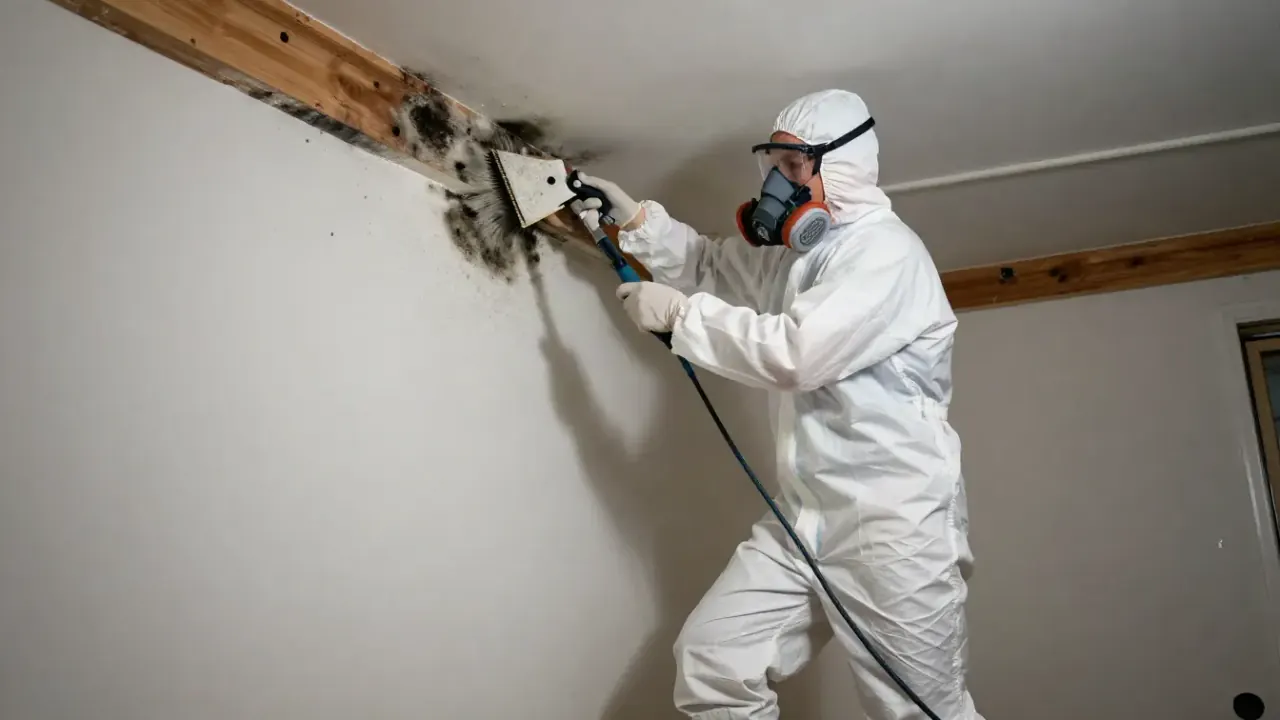
Mold can grow on wooden furniture, window frames, floorboards, wall framing, and other wood surfaces when moisture remains for too long. You may notice dark spots, fuzzy patches, discoloration, or a musty smell.
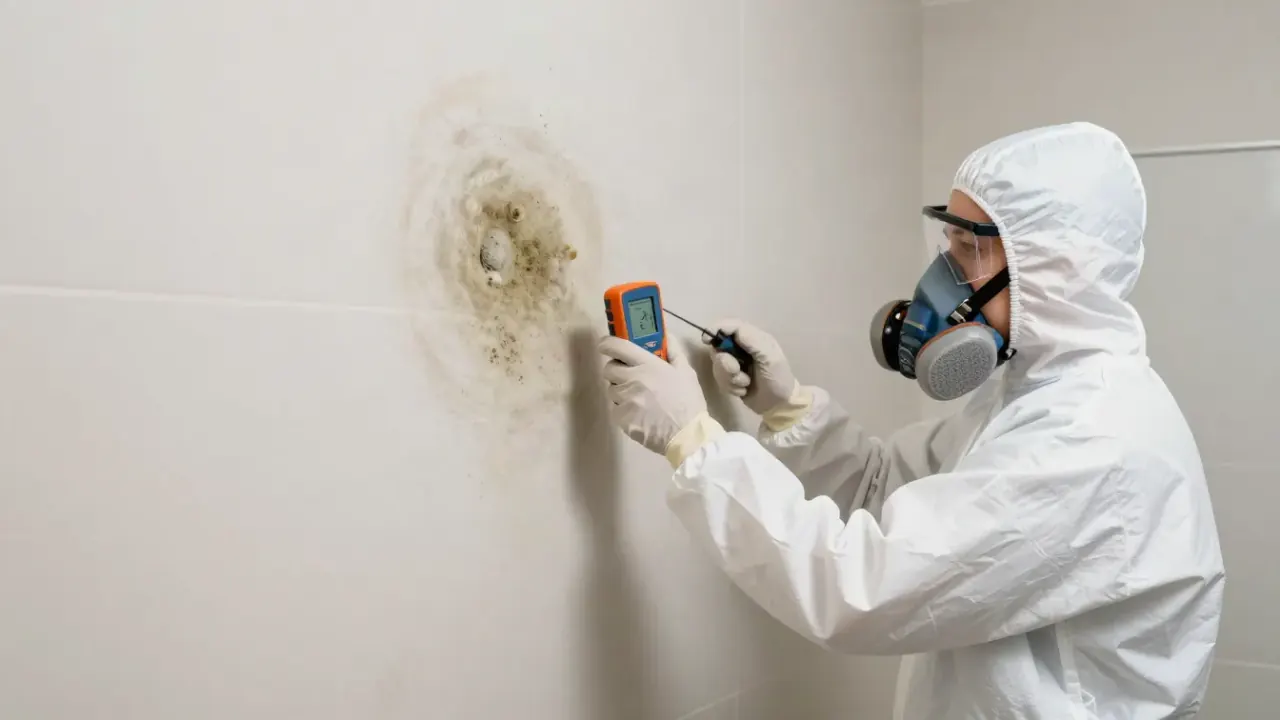
Finding mold on wood does not automatically mean the material must be replaced. The right response depends on the amount of growth, the type of wood, its condition, and the source of moisture.
If you discover mold in your Evansville, Indiana, home, start by identifying why the wood became damp. Cleaning the surface without correcting the moisture problem may allow the mold to return.
Why Does Mold Grow on Wood?
Wood can provide a surface for mold growth when sufficient moisture is present. Several conditions may contribute to the problem.
Water leaks: Leaking pipes, roofs, windows, or appliances can leave nearby wood damp.
High humidity: Moist indoor air can contribute to condensation on windows, frames, and other surfaces.
Flooding: Water entering a home can affect floors, furniture, wall framing, and other wooden materials.
Poor ventilation: Areas with limited air movement may take longer to dry after becoming wet.
Damp basements and crawl spaces: Persistent moisture beneath or around a home can affect wooden framing and subflooring.
Condensation: Moisture can collect on cold surfaces, especially when indoor humidity is high.
The location of the mold may provide clues about the moisture source, but it does not always identify the cause. A leak, for example, may leave damp wood even after the visible water has disappeared.
1. Identify the Type and Condition of the Wood
Before cleaning, determine what kind of wooden surface is affected.
Wood furniture, finished cabinets, and painted trim differ from unfinished lumber, structural framing, and wood-based materials such as particleboard.
The surface condition also matters. Mold on an intact, finished surface may be easier to clean than growth that has penetrated cracks, joints, or damaged material.
Look for signs such as:
- Visible spots or patches
- Damp or discolored areas
- Peeling paint or damaged finishes
- A persistent musty odor
- Soft, swollen, or deteriorating wood
Dark marks are not always mold. Dirt, water stains, and other discoloration can look similar, so appearance alone may not provide a definite answer.
If the wood is soft, crumbling, badly swollen, or appears structurally damaged, do not assume surface cleaning will solve the problem.
2. Fix the Moisture Problem First
Before attempting to remove mold, address the conditions that allowed it to develop.
Check for leaking plumbing, water entering around windows, roof leaks, or dampness coming from a basement or crawl space. If the wood became wet after a spill or leak, determine whether it has dried completely.
Possible corrective steps include:
- Repairing the source of a leak.
- Removing standing water when it is safe to do so.
- Drying affected materials thoroughly.
- Reducing excessive indoor humidity.
- Improving ventilation where appropriate.
- Correcting drainage or water intrusion problems.
Do not cover damp wood with paint, sealant, or a new finish before addressing the underlying moisture. Doing so may conceal the problem without resolving it.
For more information about common moisture sources, read What Causes Mold in a House?.
3. How to Clean Mold From Small Areas of Finished Wood
A small area of mold on an intact, finished wooden surface may be manageable with careful cleaning if the area can be handled safely.
Start by assessing the material and choosing a cleaning method suitable for its finish. Follow the product label and avoid saturating the wood, since excessive water can create another moisture problem.
Keep these precautions in mind:
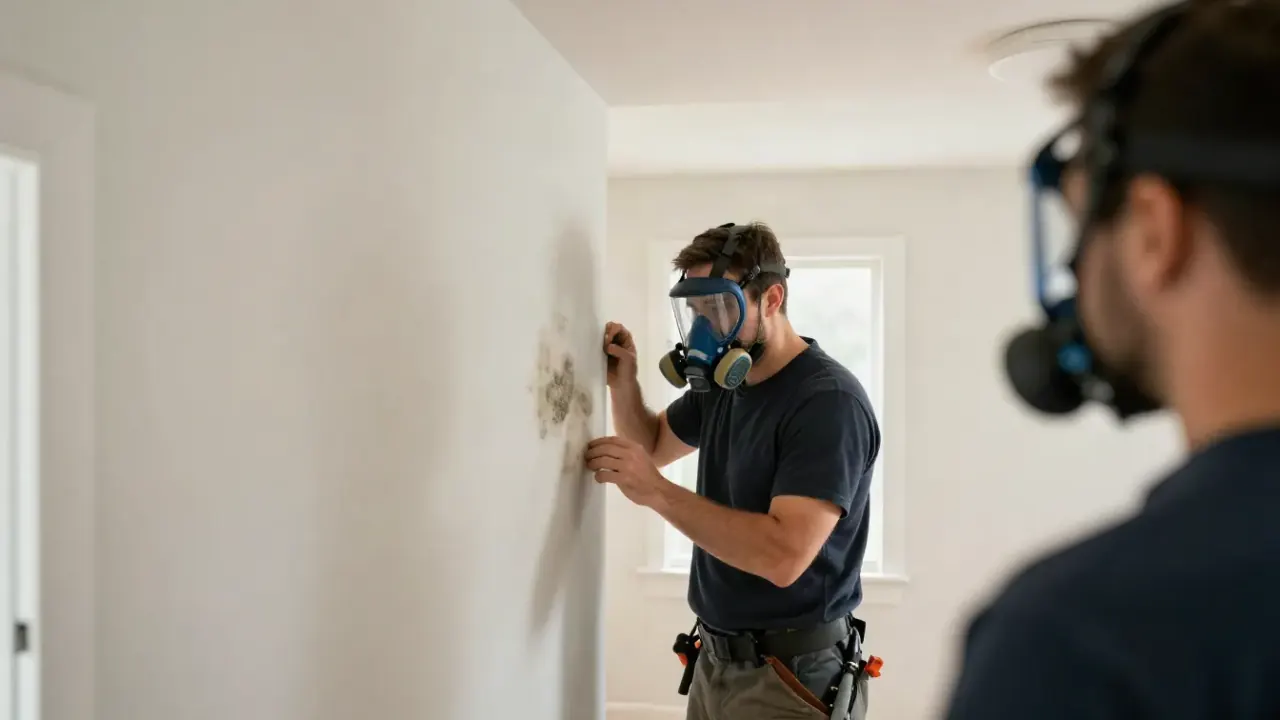
Protect yourself. Avoid direct contact with mold and prevent dust or debris from spreading. Gloves and suitable protective equipment may be needed, depending on the work.
Avoid dry brushing or sanding. These activities can release particles into the air and spread debris.
Use an appropriate cleaning product. Follow its instructions and check whether it is suitable for the particular surface.
Never mix cleaning chemicals. Some combinations can release dangerous gases.
Dry the surface thoroughly. Cleaning does not replace the need to control moisture.
If the affected area is extensive, the wood is deteriorating, or you cannot safely contain the cleanup, seek appropriate professional advice.
4. What About Mold on Unfinished Wood?
Unfinished wood can be more difficult to clean because it is porous and may have cracks, joints, and other areas where moisture and growth are harder to assess.
Surface cleaning may not remove all affected material. Aggressive sanding or scraping can also spread dust and debris.
The appropriate method depends on the extent of growth, the condition of the wood, and whether the material can be cleaned and dried adequately.
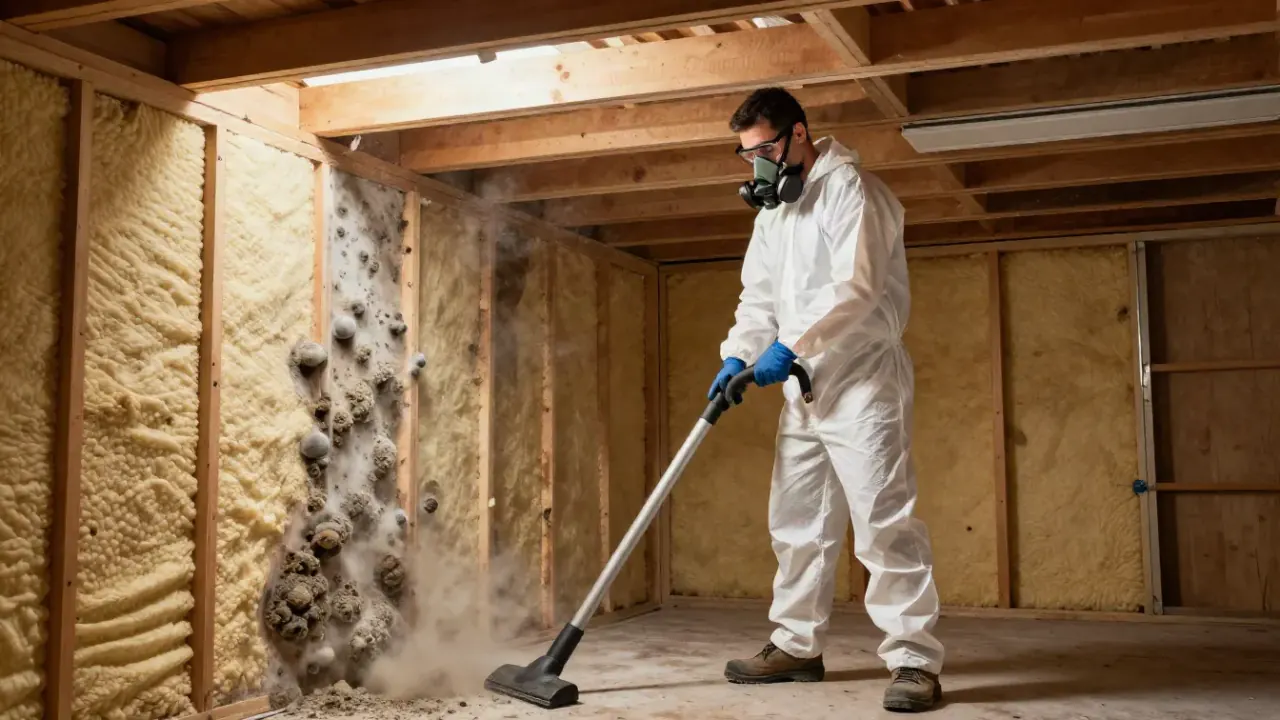
For wood framing inside walls, floors, attics, or crawl spaces, consider the larger moisture problem rather than focusing only on visible spots.
If the wood supports the structure or shows signs of deterioration, further assessment may be necessary before deciding whether cleaning or replacement is appropriate.
5. Can Moldy Wood Be Saved?
Sometimes. Mold growth does not automatically mean that every affected wooden item must be discarded.
The decision depends on several factors:
Extent of growth: A limited surface problem differs from widespread growth across multiple wooden components.
Wood condition: Sound wood may be treated differently from material that is soft, swollen, or deteriorating.
Material type: Solid wood, finished furniture, particleboard, and other composite materials can respond differently to moisture.
Drying and access: Materials that cannot be dried adequately or inspected properly may require additional attention.
Location: Mold on a decorative table presents different concerns from mold affecting structural framing beneath a floor.
Porous materials that remain affected or cannot be adequately cleaned may need removal. Structural wood should be assessed for damage rather than judged by its appearance alone.
Avoid automatically discarding every moldy wooden item, but do not keep damaged materials simply because the visible growth has been removed.
6. How to Remove Mold From Wooden Furniture
If mold appears on a wooden table, chair, cabinet, or another household item, first determine whether the furniture is finished, unfinished, or made from a composite material.
Move the item away from unaffected belongings if you can do so safely without spreading debris. Avoid carrying heavily affected furniture through clean areas of the home without considering containment.
For a small area on a suitable finished surface, careful cleaning with an appropriate product may be possible. Avoid soaking the furniture, and dry it thoroughly.
Pay attention to joints, drawer interiors, undersides, and the backs of cabinets, where moisture may remain unnoticed.
If mold returns, investigate the surrounding room for leaks, condensation, or excessive humidity. Cleaning the furniture repeatedly will not solve an ongoing moisture problem.
Furniture made from particleboard or similar materials may be more difficult to restore if it has swollen, separated, or deteriorated after becoming wet.
7. How to Prevent Mold From Returning on Wood
Long-term prevention depends on keeping wooden materials from remaining damp.
Here are practical steps to reduce the risk:
- Repair plumbing and roof leaks promptly.
- Dry wet surfaces and materials as soon as it is safe to do so.
- Use bathroom and kitchen exhaust fans where appropriate.
- Keep indoor humidity under control.
- Check basements and crawl spaces for persistent dampness.
- Address condensation around windows and other cold surfaces.
- Inspect previously affected areas after repairs.
- Avoid storing wooden items in persistently damp spaces without suitable moisture control.
Do not rely on mold-resistant paint or sealants as a substitute for fixing leaks and drying materials.
For more prevention advice, read How to Prevent Mold in Your Home.
When Should You Seek Professional Help?
Consider getting appropriate professional assistance if:
- Mold covers a large area of wood or appears in multiple rooms.
- Growth affects wall framing, subflooring, roof sheathing, or other structural components.
- Wood is soft, swollen, crumbling, or visibly deteriorating.
- The source of moisture is unclear.
- Mold keeps returning after cleaning.
- A leak or flooding event has affected concealed materials.
- Cleanup would require entering an unsafe attic, crawl space, or other confined area.
An assessment can help determine the extent of the visible problem, identify possible moisture sources, and establish whether further evaluation is needed. The scope of work depends on the property and the materials involved.
Learn more about Mold Inspection if you want to understand how a property assessment may help.
Do You Need Mold Testing on Wood?
Not always. If visible mold is present, identifying and correcting the moisture source is often a useful starting point.
The U.S. Environmental Protection Agency explains that mold sampling is often unnecessary when visible mold is present. Testing may be useful when there is a specific question that sampling could help answer, but it does not automatically reveal the source of moisture or determine whether wood is structurally sound.
If testing is proposed, ask what the results are intended to establish and how they could affect the next steps.
Read more about Mold Testing.
How Much Does Mold Removal From Wood Cost?
The cost depends on the amount of affected material, its location, the difficulty of access, and whether cleaning, removal, or replacement is needed.
A small area on furniture may involve a different scope of work from mold affecting wall framing or subflooring. Repairs to leaking pipes, roofing, drainage, or other moisture sources may add to the overall cost.
Before approving work, request a written estimate that explains the affected areas, proposed cleaning or removal, moisture corrections, exclusions, and any possible additional charges.
Our guide to Mold Remediation Cost explains the factors that can affect project estimates.